Not every electrical problem is an emergency. A dead outlet in a spare bedroom can wait until Monday. A flickering porch light is annoying but not dangerous. However, there are electrical situations where waiting is not an option — where every minute of delay increases the risk of a house fire, electrocution, or catastrophic damage to your home.
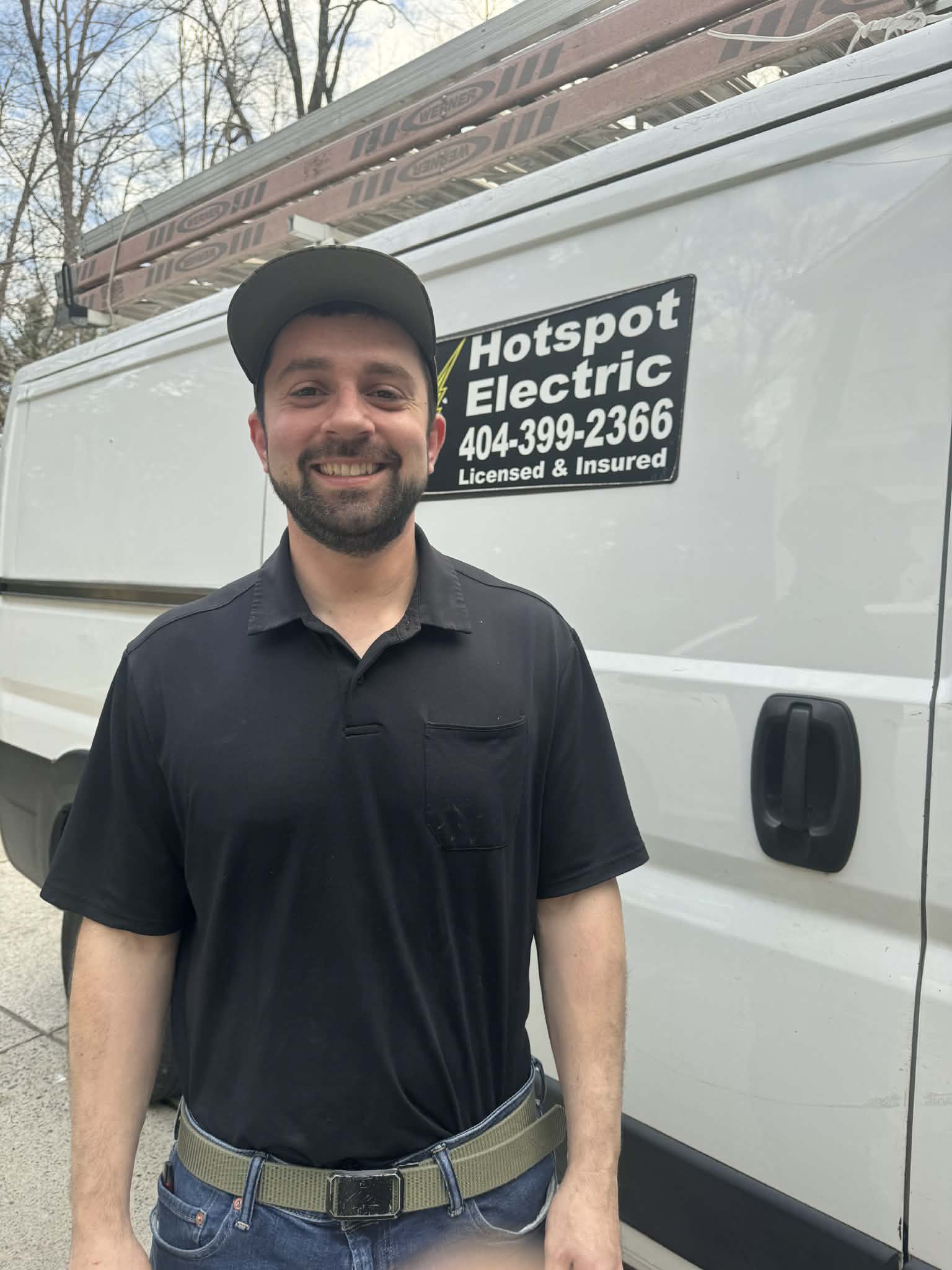
As a licensed electrician providing 24/7 emergency service in Cumming, GA and throughout Forsyth County, I get calls at all hours. Some of those calls save lives and homes. This guide will help you recognize the six electrical emergencies that demand an immediate call to a professional — and what to do to stay safe while you wait.
1. Burning Smell Coming from Outlets or Your Electrical Panel
A burning smell near an outlet, light switch, or your electrical panel is one of the most urgent warning signs in your home. That smell typically indicates that wire insulation is overheating, a connection is arcing, or a component inside your panel is failing. All of these conditions can cause a house fire.
Electrical fires often start inside walls where you cannot see them. The insulation around overheated wiring smolders for hours or even days before flames break through drywall. By the time you see smoke, the fire may already be spreading through your wall cavities.
What the smell means: A fishy or acrid plastic smell near an outlet usually indicates melting wire insulation or a melting outlet housing. A sharp, metallic burning smell from your panel could signal a failing breaker, a loose bus bar connection, or an overloaded circuit that is generating dangerous heat.
What to do while waiting:
- If you can identify which circuit the smell is coming from, turn off that breaker immediately.
- If the smell is coming from your main panel and you cannot pinpoint the source, turn off the main breaker to cut all power.
- Do not attempt to open the panel cover or investigate behind outlets yourself.
- If you see smoke or flames, evacuate and call 911 first, then call an electrician.
- Feel the wall around the outlet or switch plate. If it is hot to the touch, move furniture and curtains away and prepare to evacuate.
2. Sparking Outlets or Switches
A small, brief blue spark when you plug something in can be normal — it is the electricity jumping the gap as the plug makes contact. But large sparks, yellow or white sparks, sparks that are accompanied by a popping sound, or sparks that happen when nothing is being plugged in are signs of a serious problem.
Why this is dangerous: Sustained sparking or arcing inside an outlet means the wiring connections are loose, damaged, or deteriorated. Each arc generates temperatures exceeding 10,000 degrees Fahrenheit — hot enough to ignite wood framing, insulation, and dust inside your wall cavity. Arc faults are the leading cause of electrical fires in residential homes, responsible for an estimated 28,000 house fires per year in the United States.
What to do while waiting:
- Stop using the outlet or switch immediately. Do not plug anything into it.
- Turn off the breaker controlling that circuit.
- Do not attempt to remove the outlet cover or inspect the wiring yourself, especially if the outlet appears scorched or melted.
- If the sparking occurred during a storm or after water exposure, stay away from the area entirely and call an electrician immediately.
3. Complete Loss of Power (When It's Not a Utility Outage)
If your entire home goes dark but your neighbors still have power, you have an electrical emergency specific to your home. This could indicate a failure at your main breaker, a problem with your meter base, a damaged service entrance cable, or a critical failure inside your electrical panel.
Why this is dangerous: A sudden, complete loss of power can mean a main breaker has tripped due to a massive overload or short circuit somewhere in your system. It can also mean the neutral connection at your service entrance has failed, which creates a dangerous condition called an "open neutral." An open neutral causes voltage imbalances that can send 240 volts through circuits and appliances designed for 120 volts, destroying electronics and creating fire risks throughout your home.
What to do while waiting:
- First, check with your utility company (Georgia Power or Sawnee EMC) to confirm there is no area outage.
- Look at your meter. If the display is blank or showing an error code, the problem may be on the utility side.
- Do not repeatedly flip your main breaker on and off. If it tripped for a reason, forcing it back on can cause further damage or a fire.
- Unplug sensitive electronics to protect them from a potential surge when power is restored.
- Do not open your electrical panel and attempt to diagnose the problem yourself.
4. Exposed or Damaged Wiring
Whether caused by storm damage, rodent activity, a renovation gone wrong, or deteriorating insulation in an older home, exposed wiring is a direct electrocution and fire hazard. This is especially common in Forsyth County homes built in the 1980s and 1990s as wiring insulation ages and becomes brittle.
Why this is dangerous: Exposed live wires can electrocute anyone who touches them — including children and pets. Even wires that appear "dead" may be energized. Exposed wiring in attics and crawl spaces can also contact insulation, wood framing, or metal ductwork, creating fire and shock hazards that may go unnoticed for weeks.
What to do while waiting:
- Do not touch the exposed wires or anything in contact with them.
- Keep all family members and pets away from the area.
- If you can safely access your breaker panel and know which circuit serves the area with exposed wiring, turn off that breaker.
- If the damage was caused by storm activity (a fallen tree, for example), stay at least 35 feet away. Downed service wires can energize fences, gutters, and wet ground.
- Do not attempt to cover or tape exposed wiring yourself. Electrical tape is not a repair — it is a temporary insulator used by licensed electricians during specific procedures.
5. Buzzing Sounds from Your Panel or Inside Walls
Your electrical system should be silent. If you hear a persistent buzzing, humming, or crackling sound coming from your breaker panel, an outlet, a switch, or from inside a wall, something is wrong. This sound usually indicates electrical arcing — electricity jumping across a gap in a damaged or loose connection.
Why this is dangerous: Buzzing from a breaker panel often means a breaker is failing, a wire lug is loose, or there is arcing occurring at a connection point. Inside walls, buzzing can indicate a damaged wire that is arcing against a nail, a staple, or another wire. These conditions generate extreme heat in confined spaces filled with flammable materials like wood studs, paper-backed insulation, and dust. A buzzing sound that is ignored can become a house fire within hours or days.
What to do while waiting:
- Try to identify where the sound is loudest. Is it at the panel? A specific room? A wall or ceiling?
- If the buzzing is at a specific outlet or switch, turn off the breaker serving that circuit.
- If the buzzing is coming from the main panel itself, do not open the panel door. A failing connection inside a live panel can arc violently when disturbed.
- Feel the wall, outlet cover, or panel door. If any surface is warm or hot, treat it as an urgent fire risk and prepare to evacuate if necessary.
- Note whether the buzzing is constant or intermittent, and whether it started suddenly or has been gradually getting louder. This information helps your electrician diagnose the problem faster.
6. Electrical Shock When Touching Appliances or Fixtures
If you feel a tingling sensation, a mild shock, or a strong jolt when touching an appliance, a light switch, a faucet, or any metal surface in your home, you have a grounding problem that requires immediate professional attention.
Why this is dangerous: An electrical shock means that current is flowing through a path it should not be on — and your body just completed that path. In many cases, the shock you feel is a warning sign of a much larger problem. A failing ground connection, a damaged wire touching a metal appliance housing, or a missing bonding wire on your plumbing can all create conditions where a lethal shock is one wet hand or one bare foot away.
According to the Electrical Safety Foundation International, contact with electrical current causes approximately 400 electrocution deaths per year in the United States. Many of these deaths occur in residential settings from conditions that gave warning signs — like a mild shock — that were ignored.
What to do while waiting:
- Stop using the appliance or fixture immediately. Unplug it if you can do so safely without touching metal parts.
- Do not use water near the affected area. If the shock occurred when touching a faucet or in a bathroom, stop using water in that area until an electrician inspects your grounding and bonding.
- Check whether your GFCI outlets are functioning by pressing the test button. If they do not trip, your ground fault protection has failed.
- If anyone has received a significant shock (muscles locked, could not let go, or was thrown), call 911. Electrical injuries can cause cardiac arrhythmias that appear hours after the initial shock.
How to Tell If It Can Wait
Not sure if your situation is a true emergency? Here is a quick test. If you answer yes to any of these questions, call an emergency electrician:
- Do you smell burning or see smoke?
- Is any surface (wall, outlet, panel) hot to the touch?
- Did someone receive an electrical shock?
- Are there visible sparks or arcing?
- Can you hear buzzing, crackling, or popping from your electrical system?
- Is there exposed wiring that people or pets could contact?
If you answered no to all of the above but still have an electrical concern, it is likely something that can be addressed during normal business hours. But when in doubt, call. A quick phone conversation with a licensed electrician can help you assess the risk and decide on the right course of action.