Electrical Troubleshooting & Repair Services
If you're reading this, something in your home probably isn't behaving the way it should. Maybe a breaker keeps tripping, the lights flicker when the AC kicks on, or an outlet that worked fine yesterday suddenly went dead. Electrical problems have a way of making themselves known — and they can be unsettling when you don't know what's causing them.
Getting to the bottom of an electrical issue isn't just about convenience. It's about making sure your home is safe. And honestly? Taking a few minutes to understand what might be going on can help you decide whether it's time to call a licensed electrician — or whether it's something you can handle on your own.
This is the question most people wrestle with. You don't want to call someone out for something simple you could have fixed on your own — but you also don't want to ignore a problem that could turn dangerous. So where's the line?
Some issues are straightforward: if a single outlet stops working, you can check whether a GFCI needs resetting or a breaker has tripped. But when multiple outlets go dead, breakers trip repeatedly, lights flicker across several rooms, or you hear buzzing from the electrical panel, those are signs that something deeper is wrong. Those aren't DIY fixes — they're calls for a licensed electrician who has the training and equipment to trace electrical problems safely.
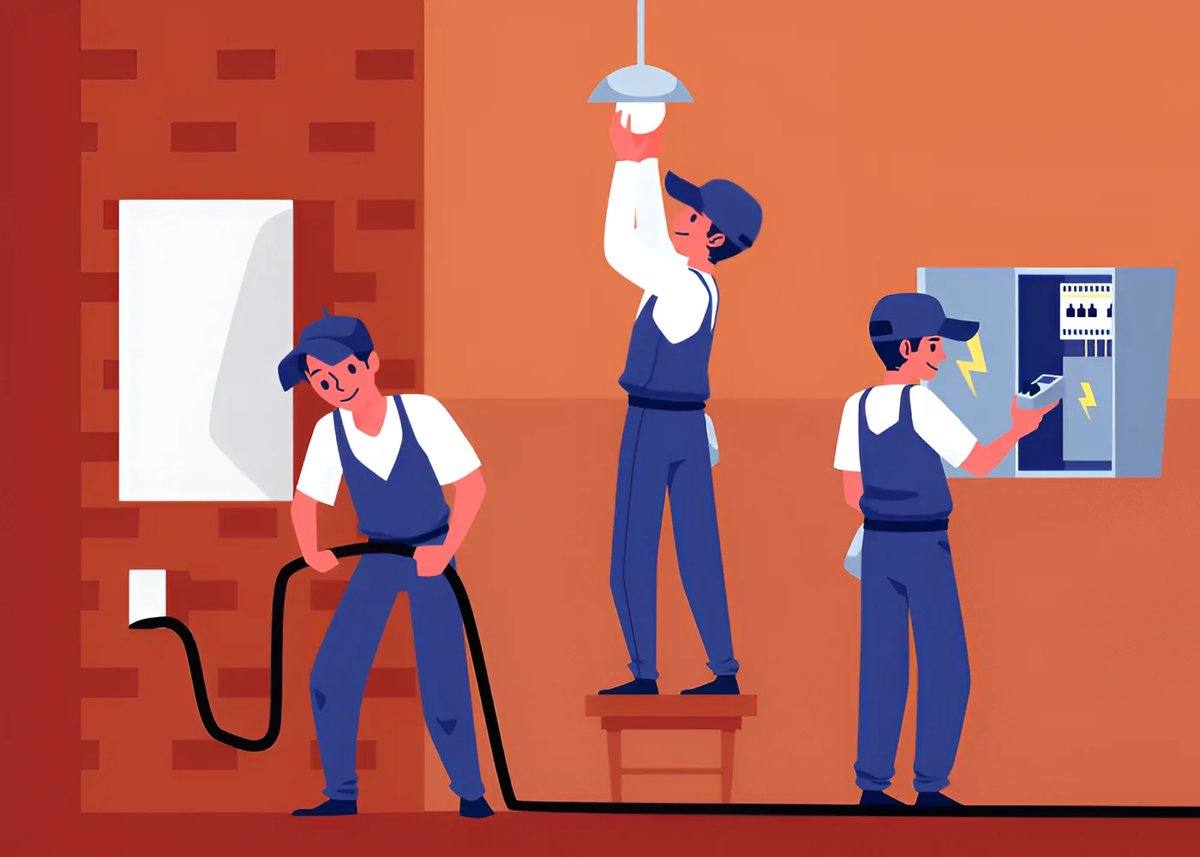
A licensed electrician approaches troubleshooting methodically. They don't guess. They use diagnostic tools to isolate the issue, check for faulty wiring, loose connections, and overloaded circuits. What looks like a simple problem on the surface — a flickering light, a dead outlet — could actually be a symptom of something more serious behind the walls.
Electrical issues rarely announce themselves with a clear label. The same symptom — say, a tripping breaker — can have several different causes. Here are some of the most common electrical problems we find ourselves called out to, time and time again, right here in Cumming, GA.
Overloaded circuits causing breakers to trip repeatedly
Loose or deteriorating wiring connections behind outlets and switches
Faulty breakers or aging electrical panels that need replacement
Damaged or rodent-chewed wiring inside walls and attics
The challenge with electrical troubleshooting is that these problems aren't visible from the outside. A dead outlet on one wall could be connected to a loose wire three rooms away. A tripping breaker could be the breaker itself — or it could be an appliance drawing too much current down the line. Because the root cause isn't always obvious, many homeowners choose to have a professional diagnose the issue before attempting any fixes. If you're dealing with any of these symptoms, schedule a diagnostic visit today.
There's a difference between resetting a tripped GFCI outlet (something most homeowners can safely do) and opening up an electrical panel to diagnose why a breaker won't stay on. One is a simple reset. The other involves working near energized components that carry enough current to cause serious injury.
Electrical troubleshooting isn't like fixing a leaky faucet. You can't always see the problem. A flickering light might be a bad bulb, a loose connection at the fixture, or a failing breaker. Without the right testing equipment and knowledge of how circuits are wired, you're left guessing — and guessing with electricity is never a good idea. Beyond the immediate shock risk, improper repairs can create fire hazards that may not show up until hours or days later.
For those reasons, most homeowners choose to have electrical troubleshooting and repairs handled by a licensed electrician. Choosing a fast, quality, and trusted electrical repair partner means getting the problem solved correctly the first time — and having peace of mind that your home is safe. If you're ready to get the issue diagnosed, book an appointment now.
When a licensed electrician is already at your home diagnosing an issue, it's often a great time to address other electrical needs you've been putting off. Many homeowners combine services to save time and get more done in a single visit.
These improvements work together to create a safer and more reliable electrical system. If you've been dealing with recurring electrical issues, pairing troubleshooting with a panel evaluation or surge protection installation can address both the immediate problem and the underlying vulnerabilities. Homeowners who want ongoing electrical maintenance and peace of mind can learn more about our yearly plans. Having an electrician check your system regularly helps catch small issues before they become expensive emergencies.
Every home electrical issue is different, so there isn't a one-size-fits-all answer. Some homeowners simply want the peace of mind that comes from knowing their system has been checked by a professional. Others have been living with a nagging problem — flickering lights, a warm outlet, a breaker that trips once a month — and finally want to know what's really going on.
For homeowners in Cumming, GA and surrounding communities such as Suwanee, Sugar Hill, Dawsonville, Coal Mountain, and North Forsyth, having access to fast, quality electrical troubleshooting means you don't have to live with uncertainty. Power surges from summer thunderstorms, wear and tear on older wiring, and the demands of modern appliances can all contribute to electrical problems that need professional attention.
A diagnostic visit can determine exactly what's wrong and what needs to be done to fix it. Working with a fast, quality, and trusted electrical team means getting straight answers about what your home actually needs — not an unnecessary upsell. If you're researching electrical troubleshooting in the area, it helps to choose a company that takes the time to explain the problem in plain language rather than rushing through a diagnosis.
For homeowners who need assistance, Hot Spot Electrical provides residential electrical troubleshooting and repair throughout the region, including circuit breaker repair, surge protection, outlet and switch repair, EV charger installations, and electrical safety inspections. We focus on fast response times, quality repairs, and earning your trust with every job.
Hot Spot Electrical | 3935 River Run Ct., Cumming, GA 30041
A breaker that trips repeatedly is usually reacting to an overloaded circuit, a short circuit, or a ground fault. It could also be a failing breaker itself. The breaker is doing its job — cutting power to prevent overheating and fire. If it keeps happening, call a licensed electrician at (678) 771-6085. Continuing to reset it without addressing the root cause can be dangerous.
Flickering lights can be caused by loose wiring connections, overloaded circuits, voltage fluctuations from large appliances cycling on, or problems with the electrical service coming into your home. If it's isolated to one fixture, it may be a bad bulb or fixture connection. If multiple lights flicker across different rooms, it's time to have an electrician investigate.
Take it seriously. Unplug anything connected to that outlet immediately, and if possible, turn off the breaker that controls it. A burning smell can indicate overheating wiring, loose connections arcing behind the outlet, or damaged insulation melting. Don't use the outlet until a licensed electrician has inspected it. If you see smoke or flames, call 911 first, then call us.
It can be. A slight hum is sometimes normal, but a distinct buzzing or crackling sound often indicates loose connections, an overloaded breaker, or failing components inside the panel. These conditions generate heat and can lead to more serious damage. If your panel is buzzing, have it checked promptly — this isn't something that resolves on its own.
Most diagnostic visits take between one and two hours, depending on the complexity of the issue. Simple problems like a dead outlet can often be identified quickly. More complex issues — like tracking down an intermittent short or diagnosing power loss in one room — may take longer because the electrician needs to trace circuits through multiple junction points. We'll give you an honest time estimate once we understand your situation.
Yes. Licensed electricians use specialized testing equipment — multimeters, circuit tracers, thermal imaging, and insulation testers — to locate damaged wiring, loose connections, and overloaded circuits without destructive investigation. In many cases, the problem can be pinpointed and repaired through existing outlet boxes or junction points without opening walls at all.