EV Charger Installation

Thinking About Installing an EV Charger at Home? Here's Where to Start

The first question most people ask after buying an electric vehicle isn't about the car. It's about charging it. Can you simply plug it into the wall? Do you need special wiring? Will your electrical panel be able to handle it? The answer depends entirely on your home.

For homeowners in Cumming, GA, spending a few minutes learning about the process can save time, money, and unnecessary frustration later. Some houses are already equipped for a Level 2 charger with only minor electrical work. Others may need a dedicated circuit, additional wiring, or even an electrical panel upgrade before a charger can be installed safely.

Can You Install an EV Charger Yourself?

Technically, mounting the charger on the wall isn't the difficult part. The challenge is everything behind it. Most Level 2 chargers require a dedicated 240-volt circuit, correctly sized wire, proper breaker protection, and enough available capacity inside your electrical panel.

Those requirements exist for a reason. They help prevent overheating, nuisance breaker trips, and long-term electrical issues. The installation of dedicated circuits for EV chargers and electrical equipment is designed to give your charger the power it needs without putting unnecessary strain on the rest of your home's electrical system.
For that reason, most homeowners choose to have the electrical work completed professionally rather than trying to piece everything together themselves. A properly installed charger simply works the way it's supposed to. You plug in your vehicle and don't have to think about it again.
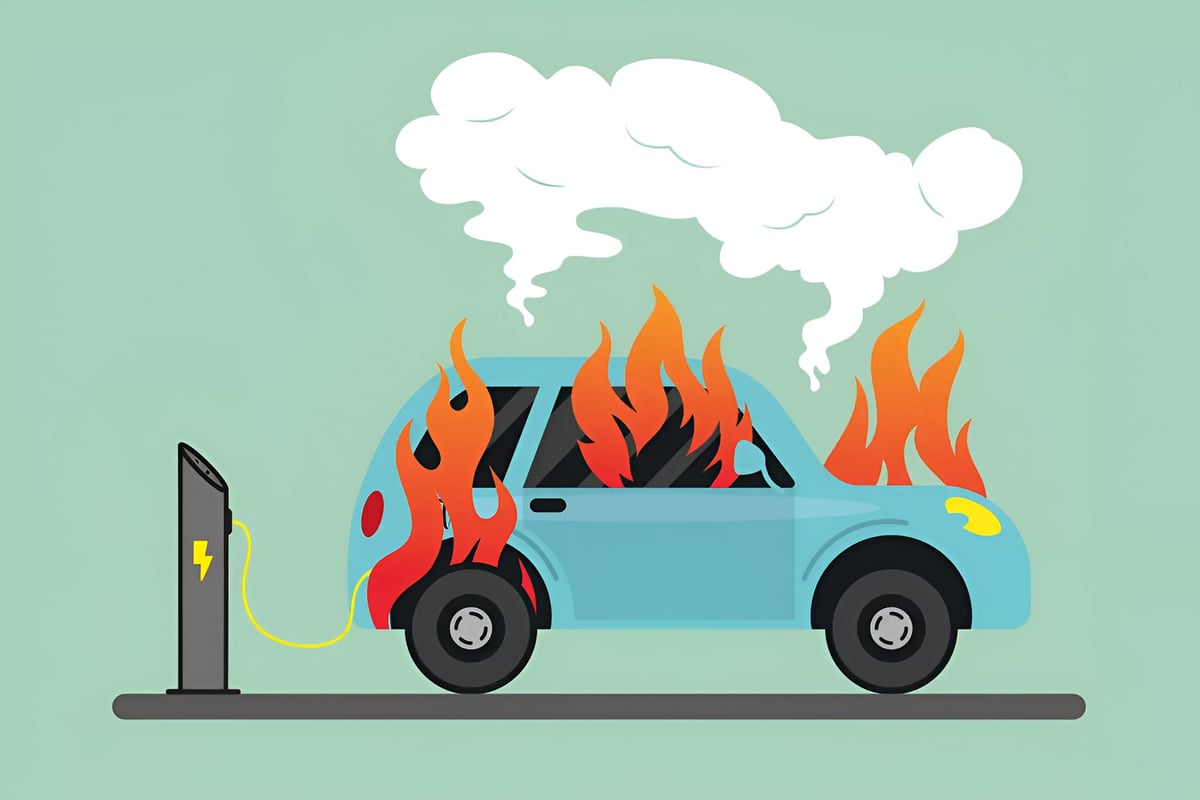
Blue car engulfed in bright orange flames on fire with smoke clouds above, next to a charging station on green background

Will Your Electrical Panel Support It?

One of the biggest variables is the electrical panel itself. Not every home is automatically ready for the additional load an EV charger brings.

Breakers that trip when charging

Lights flickering during charging

An older home with limited breaker space

Electrical service near its maximum load

An electrician can perform a load calculation to determine whether your existing system is capable of supporting another high-powered appliance. If upgrades are needed, it's much better to know beforehand than after you've already purchased a charger. Working with an experienced EV charger installation partner helps make sure those questions are answered before installation begins. If you're noticing any of these warning signs, schedule an inspection today.

What Does an Installation Usually Include?

Every home is a little different, but most installations follow the same general process. First, the electrical panel is evaluated. Then the best location for the charger is chosen based on convenience, cable reach, and electrical access.

From there, new wiring is installed if necessary, a dedicated breaker is added, and the charger is connected and tested before it's ready for everyday use. Depending on the home, the entire project may be fairly straightforward, or it may involve additional electrical improvements to safely support the new equipment.

Many homeowners also decide to complete electrical panel upgrades, whole-home surge protection, or dedicated circuit installations while the electrician is already on-site. Choosing an experienced EV charger installation partner can help ensure every component works together properly while meeting current electrical standards. If you're planning a new installation, you can book an appointment now.

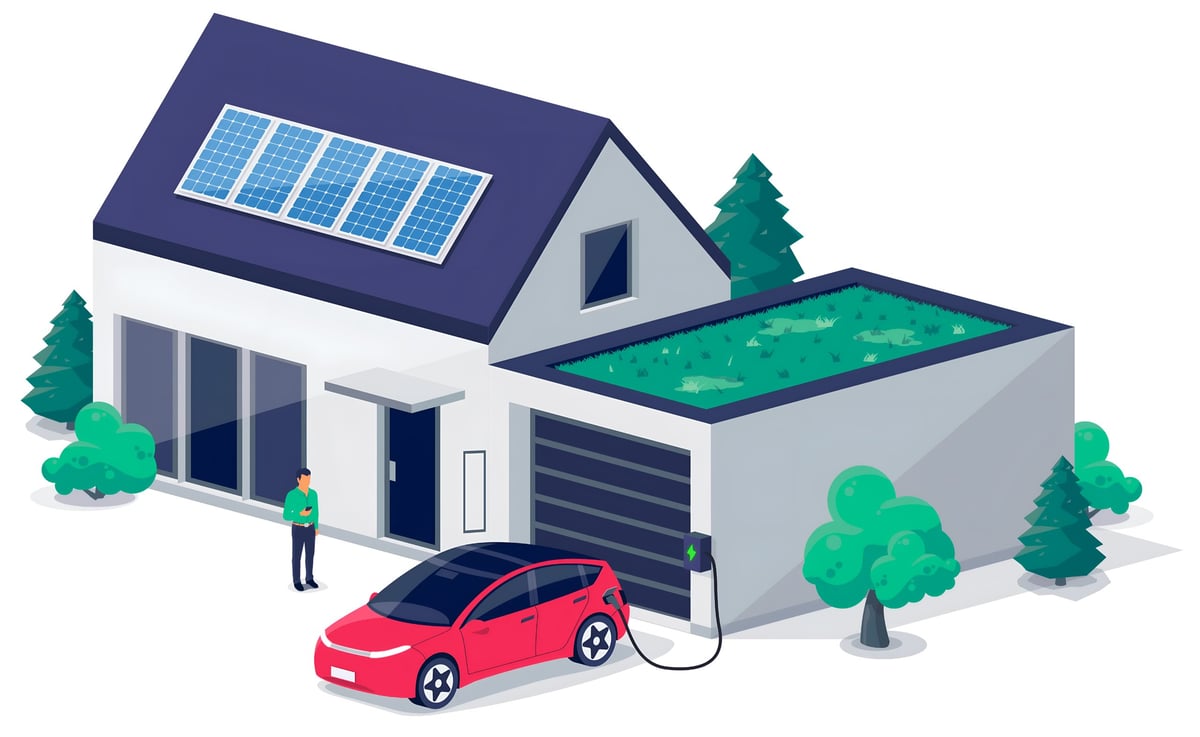
Illustration of a modern eco-friendly home with solar panels on roof, electric car charging at driveway, and green landscaping

Related Electrical Services Homeowners Often Need

When an EV charger is being installed, homeowners frequently discover other areas that may benefit from evaluation or upgrades.

Electrical Panel Upgrades

Dedicated Circuit Installations

Whole-Home Surge Protection

These improvements can help support new equipment, improve overall electrical reliability, and provide additional protection for sensitive devices throughout the home. Many homeowners also use service visits as an opportunity to schedule routine inspections and preventative maintenance. Homeowners who want regular inspections can learn more about our yearly plans. Regular evaluations can help identify aging components before they lead to unexpected outages or costly repairs.

Need Help Deciding What's Right for Your Home?

Homeowners throughout Cumming, Forsyth County, and nearby North Georgia communities are increasingly adding EV chargers to their homes as electric vehicles become more common. A properly installed charger becomes part of your home's electrical system for years to come.

If it's installed incorrectly, it can lead to nuisance breaker trips, charging problems, damaged equipment, or costly repairs later. A properly installed charger simply works the way it's supposed to. You plug in your vehicle and don't have to think about it again.

Homeowners looking for expert residential electrical services often benefit from working with professionals who understand both electrical code requirements and the operational needs of EV charging equipment. If you're researching options in the area, it's helpful to choose a company that can evaluate the entire system rather than focusing on a single component.

For homeowners who need assistance, Hot Spot Electrical provides electrical solutions throughout the region, including work related to EV charger installation, panel upgrades, dedicated circuits, and supporting electrical infrastructure.

Hot Spot Electrical | 3935 River Run Ct., Cumming, GA 30041

(678) 771-6085

Frequently Asked Questions