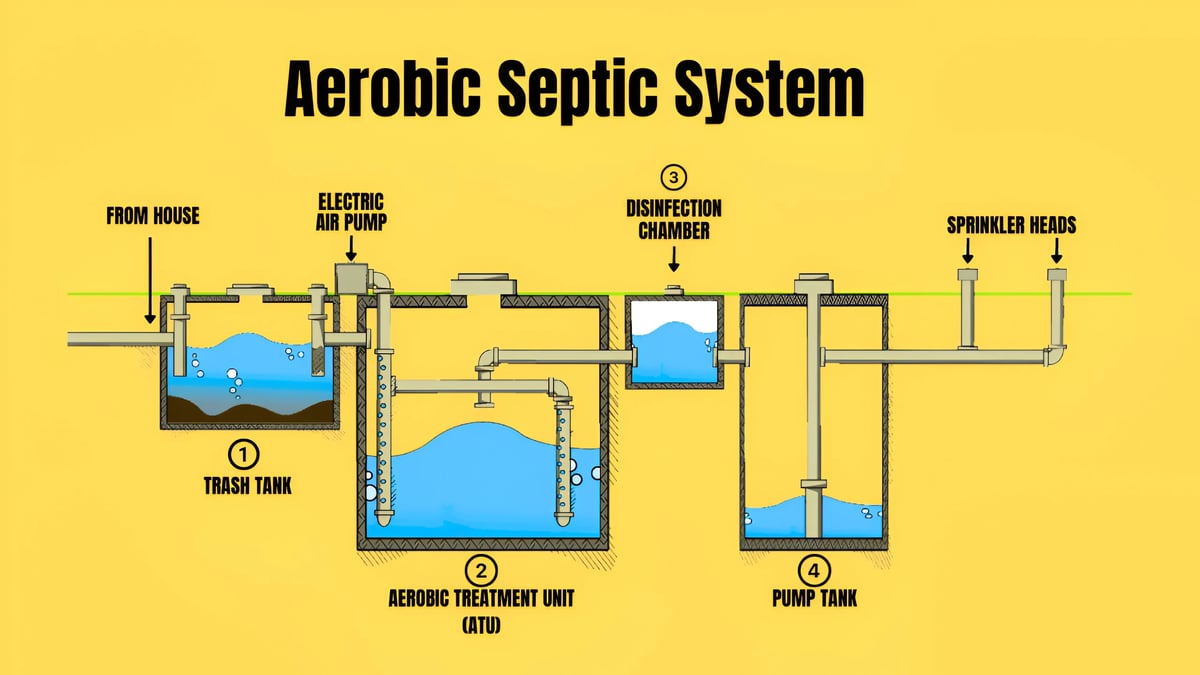
Septic Pump Wiring
A septic system depends on more than tanks and plumbing. Many modern systems rely on electrical components to power pumps, float switches, control panels, and alarm systems that help move wastewater safely and alert homeowners when something isn't working correctly. When any part of that electrical setup is installed improperly, it can lead to pump failures, nuisance alarms, costly repairs, or even damage to the septic system itself.
For homeowners in Cumming, GA, understanding how these electrical components work can help prevent unexpected problems and ensure the entire system operates safely and efficiently. Whether you're building a new home, replacing a failed pump, or upgrading an existing system, having the electrical side installed correctly is just as important as the plumbing itself.
Many septic systems use pumps to move wastewater from one location to another when gravity alone cannot do the job. These pumps require dedicated electrical connections, proper circuit protection, and control equipment that allows them to operate automatically when water levels change.
In addition to the pump itself, most systems include float switches and alarms designed to notify homeowners when the pump isn't functioning correctly or when water levels become too high. The installation of circuits for septic system pumps and alarms is an important part of ensuring the entire system performs reliably over the long term.
Because these systems often operate underground and in wet environments, electrical safety requirements are especially important. Proper wiring methods, grounding, and code-compliant installations help reduce the risk of equipment damage and electrical hazards.
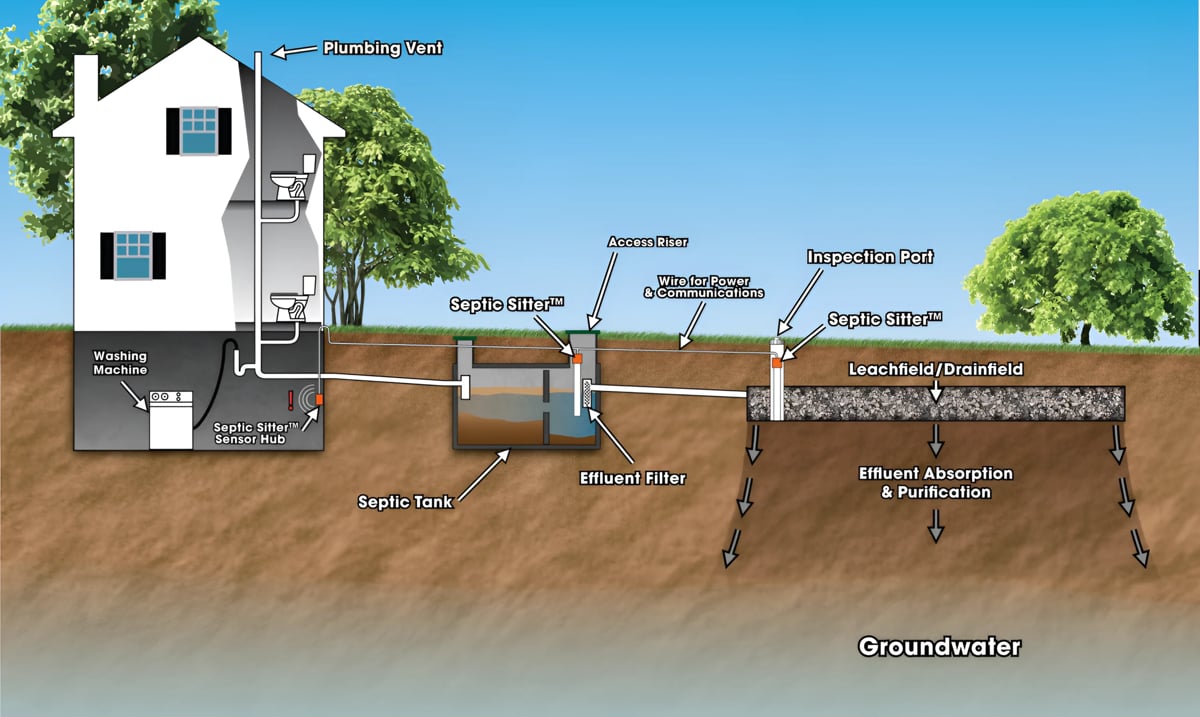
Electrical issues within a septic system are not always obvious at first. In many cases, homeowners notice warning signs before a complete failure occurs.
Frequent alarm activations
Pumps that run continuously
Breakers that trip repeatedly
Unusual noises from control panels
Even intermittent issues can indicate a wiring problem, failing float switch, or electrical component nearing the end of its service life. Addressing these concerns early can often prevent larger repairs and reduce the chances of emergency service calls. If a system begins showing unusual behavior, a professional inspection can help identify the root cause before more significant damage occurs. This is especially valuable for homeowners throughout Cumming, GA, where many properties rely on septic systems rather than municipal sewer connections. If you're noticing any of these warning signs, schedule an inspection today.
A properly designed electrical setup starts with evaluating the pump requirements, control equipment, voltage needs, and local code requirements. Dedicated circuits are typically installed to ensure the system receives consistent power without overloading existing household circuits.
The wiring must be protected from moisture, physical damage, and environmental conditions while remaining accessible for future maintenance. Testing is also an important step to verify that pumps, alarms, and controls communicate correctly and operate as intended.
Choosing an experienced septic wiring installation partner can help ensure every component works together properly while meeting current electrical standards. A quality installation often provides greater reliability and fewer service issues over the lifespan of the system. If you're planning a new installation, you can Book an Appointment online.
When electrical work is being performed for a septic system, homeowners frequently discover other areas that may benefit from evaluation or upgrades.
Electrical Panel Upgrades
Dedicated Circuit Installations
Whole-Home Surge Protection
These improvements can help support new equipment, improve overall electrical reliability, and provide additional protection for sensitive devices throughout the home. Many homeowners also use service visits as an opportunity to schedule routine inspections and preventative maintenance. Homeowners who want regular inspections can learn more about our Yearly Plans. Regular evaluations can help identify aging components before they lead to unexpected outages or costly repairs.
Homeowners throughout Cumming, Forsyth County, and nearby North Georgia communities often rely on septic systems that require pumps, alarms, and dedicated electrical components to operate properly.
When selecting an electrician, experience with residential electrical systems and specialized equipment is important. Septic systems combine electrical controls, motors, safety devices, and environmental considerations that require careful attention during installation and troubleshooting.
Homeowners looking for expert residential electrical services often benefit from working with professionals who understand both electrical code requirements and the operational needs of septic equipment. If you're researching options in the area, it's helpful to choose a company that can evaluate the entire system rather than focusing on a single component.
For homeowners who need assistance, Hot Spot Electrical provides electrical solutions throughout the region, including work related to pumps, alarms, controls, and supporting electrical infrastructure.
Hot Spot Electrical — 3935 River Run Ct., Cumming, GA 30041
No. Most septic pumps require electrical power to move wastewater between tanks or to the drain field. A power outage can temporarily stop pump operation.
A septic alarm can indicate high water levels, a failing pump, a tripped breaker, a float switch problem, or another electrical issue.
Costs vary depending on the distance from the electrical panel, local code requirements, and whether new circuits or equipment are needed.
Properly installed wiring can last many years, though pumps, switches, and control components may require periodic maintenance or replacement.
Most septic pump systems require a dedicated electrical circuit to operate safely and reliably.