Electrical Panel Upgrade Guide
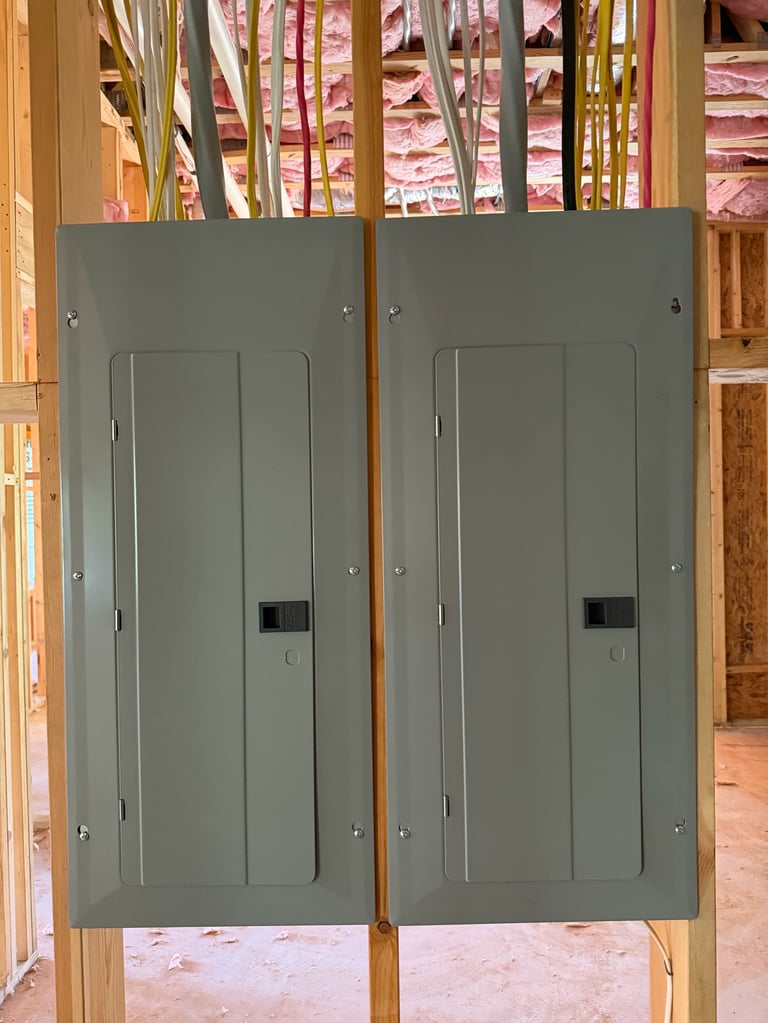
In most cases, yes. Upgrading your electrical panel does not automatically mean rewiring your entire home. The panel and the branch circuits are two separate systems. A typical panel upgrade replaces the box, breakers, and service entrance equipment, while the existing wiring inside your walls usually stays put. Full rewiring is only needed when the wiring itself is unsafe or outdated, not simply because the panel is being replaced.
If you keep tripping breakers or have no open slots, a larger panel adds capacity without touching the wiring in your walls.
Fuse boxes and recalled models are a safety risk. Swapping the panel removes the hazard while the branch circuits stay as they are.
Adding an EV charger, heat pump, or hot tub often just needs a bigger panel and new dedicated circuits, not new wiring throughout.
A new panel brings grounding, bonding, and protection up to current code even when the existing branch wiring is still serviceable.
AFCI and GFCI breakers, whole-home surge protection, and clear labeling all come with a new panel upgrade.
An updated panel can satisfy insurers and add appeal for buyers, without the cost and disruption of a full rewire.
Knowing which job you actually need helps you avoid an unnecessary full rewire. Here's how the two compare:
A licensed electrician calculates your home's load to size the new panel correctly and confirm the existing circuits can handle it.
The electrician checks your branch wiring for aluminum, damaged insulation, or code violations that would need attention too.
A panel upgrade requires a permit and inspection. Reputable electricians handle this so the work is safe and documented.
Ask for spare breaker slots and room to grow so you don't have to upgrade again for the next EV charger or appliance.
Skipping the inspection or hiring a cut-rate installer can turn a simple panel swap into a serious safety problem. Watch for these warning signs:
Yes, in most cases. A panel upgrade replaces the box, breakers, and service entrance, while the branch wiring inside your walls stays in place. A full rewire is only needed if the wiring itself is unsafe.
Rewiring is usually needed for knob-and-tube wiring, deteriorated or damaged insulation, aluminum branch wiring, or circuits that are unsafe for modern loads. An inspection confirms whether those conditions exist.
Yes. A panel upgrade requires an electrical permit and a passing inspection. A licensed electrician handles both so the work is safe, legal, and properly documented.
Most residential panel upgrades take a day or less, plus the time to schedule the inspection. Compared to a whole-house rewire, the project is much faster and far less disruptive.
Absolutely. Upgrading is the perfect time to add capacity and dedicated circuits for an EV charger, heat pump, or other large loads, so you only pay for one visit.