Whole House Surge Protector Installation Guide
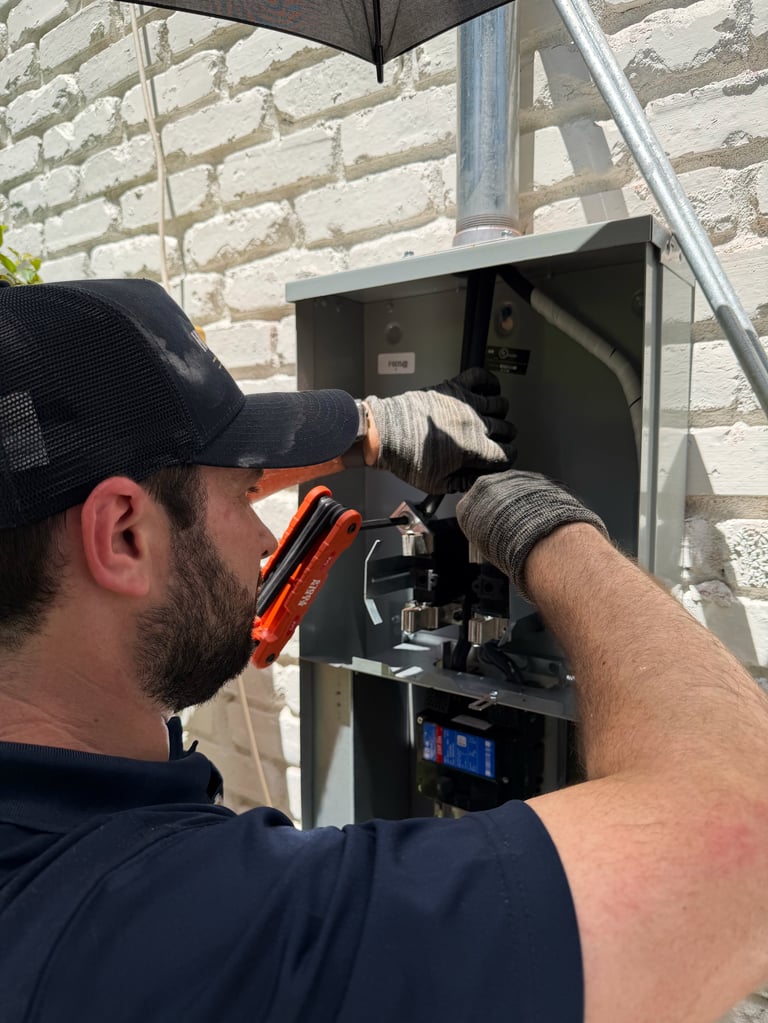
Yes, in almost every case you do. A whole house surge protector is wired directly into your main electrical panel on a dedicated breaker, which means working inside a live service panel. That is not a homeowner job. The device has to be sized to your service, connected correctly, and often permitted and inspected.
At Hot Spot Electrical, we install whole house surge protectors across Cumming and North Atlanta. We handle the panel inspection, the wiring, the paperwork, and the verification, so the protection you paid for actually works when the next surge hits.
A plug-in power strip is something you can handle yourself. A panel mounted surge protector is a different category of work entirely. Here is why:
You are working next to the main lugs and service conductors. One mistake there is a shock or arc flash hazard, not a tripped breaker.
The unit and its breaker have to match your service capacity. An undersized device trips off or fails during the surge you bought it for.
Panel work falls under the electrical code and may require a permit and inspection. Unpermitted work can complicate insurance and resale.
Manufacturer connected equipment warranties typically require professional installation. DIY voids much of the protection you paid for.
Loose neutrals, corrosion, double tapped breakers, and recalled panels are common. An electrician catches them before adding a device.
Documented professional work protects you if there is ever a claim, and it looks far better during a home inspection.
When an electrician installs your surge protector, this is the work being done behind that price:
That is also what makes the warranty valid and the install defensible if anything goes wrong later.
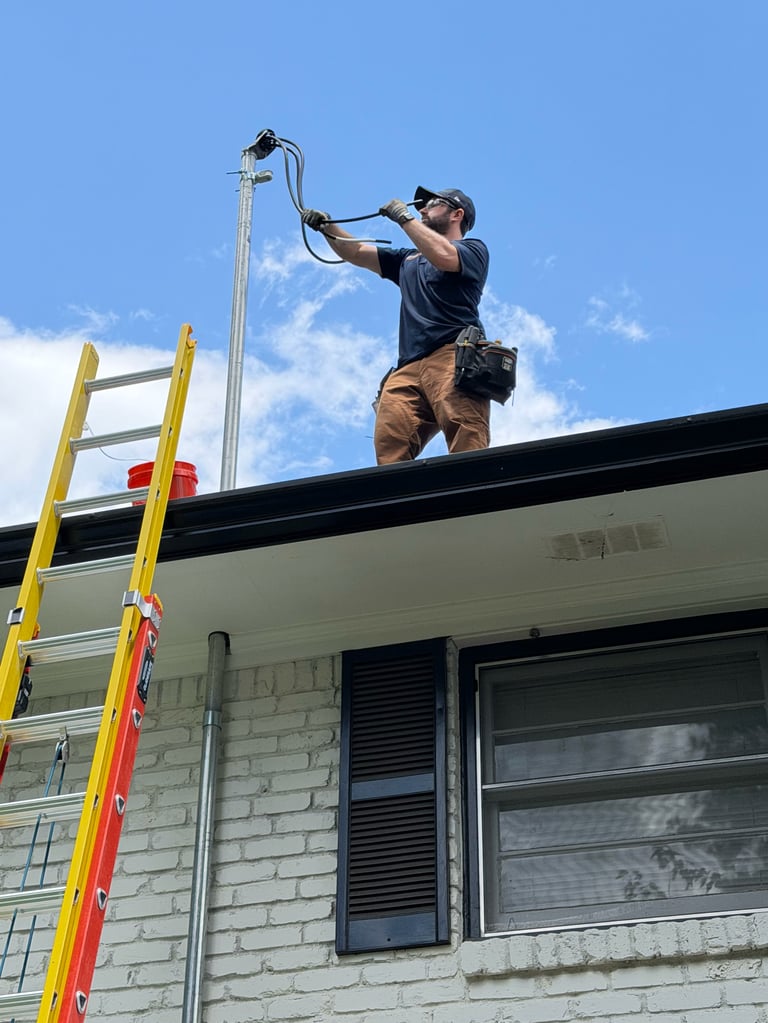
Ask for a license number and confirm it. A legitimate electrician will hand it over without hesitation.
General liability and workers comp should be in place. If someone gets hurt on your property, this matters.
The quote should name the device, the rating, the breaker, and what is included. Vague verbal quotes are a red flag.
Panel mounted surge protection is specific work. Ask how often they install them and which brands they use.
Hiring the cheapest person who answers the phone can leave you with a device that protects nothing, or a panel that fails an inspection. Watch for these warning signs:
Yes. A whole house surge protector wires into your main panel on a dedicated breaker, which means working around live service conductors. A licensed electrician also sizes the unit correctly and handles any permit or inspection.
Being handy helps with many home projects, but not this one. Panel work carries a real shock and arc flash risk, and a mistake can damage the device or your service. It also voids many manufacturer warranties and can fail a home inspection later.
It depends on your jurisdiction and the scope of work. New circuits and panel modifications commonly require one. We confirm the requirement for your address and handle the paperwork when it applies.
Ask for a license number, proof of insurance, a written scope naming the device and its rating, and whether a permit is included. A straight answer to all four is a good sign.
Yes, and we always do. Every install starts with a panel inspection so we can flag loose connections, corrosion, or capacity problems before adding the device. Call (678) 771-6085 and we will schedule it.