Transfer Switch & Interlock Kit Installation

Looking for a Safe Way to Connect Your Generator?

Buying a generator is only part of the process. The way it's connected to your home's electrical system is what determines whether it's safe, reliable, and ready when you need it most. If you've been researching transfer switches or generator interlock kits, you're probably wondering which option is right for your home. They both help connect a generator to your electrical system, but they work differently and are designed for different situations.

Understanding these options can help you choose a solution that fits your home, your generator, and your budget. For homeowners throughout Cumming, GA and the surrounding North Atlanta communities, the right connection method is just as important as the generator itself.

Why Can't I Just Plug My Generator Into the House?

This is one of the most common questions homeowners ask after purchasing a portable generator. The short answer is no. Connecting a generator directly to a household outlet, sometimes called backfeeding, is unsafe and can create serious hazards. Improper generator connections can send electricity back into utility power lines, put utility workers at risk, damage your electrical panel and generator, increase the risk of electrical fires, and violate current electrical codes.

A properly installed transfer switch or interlock kit helps prevent these situations by allowing generator power to be connected safely. Many homeowners are comfortable assembling a portable generator or performing basic home maintenance, but connecting backup power to an electrical panel is a different type of project. Installing a transfer switch or interlock kit involves working inside the electrical panel, installing new breakers, connecting generator circuits, verifying electrical load, following National Electrical Code requirements, and testing the completed installation.
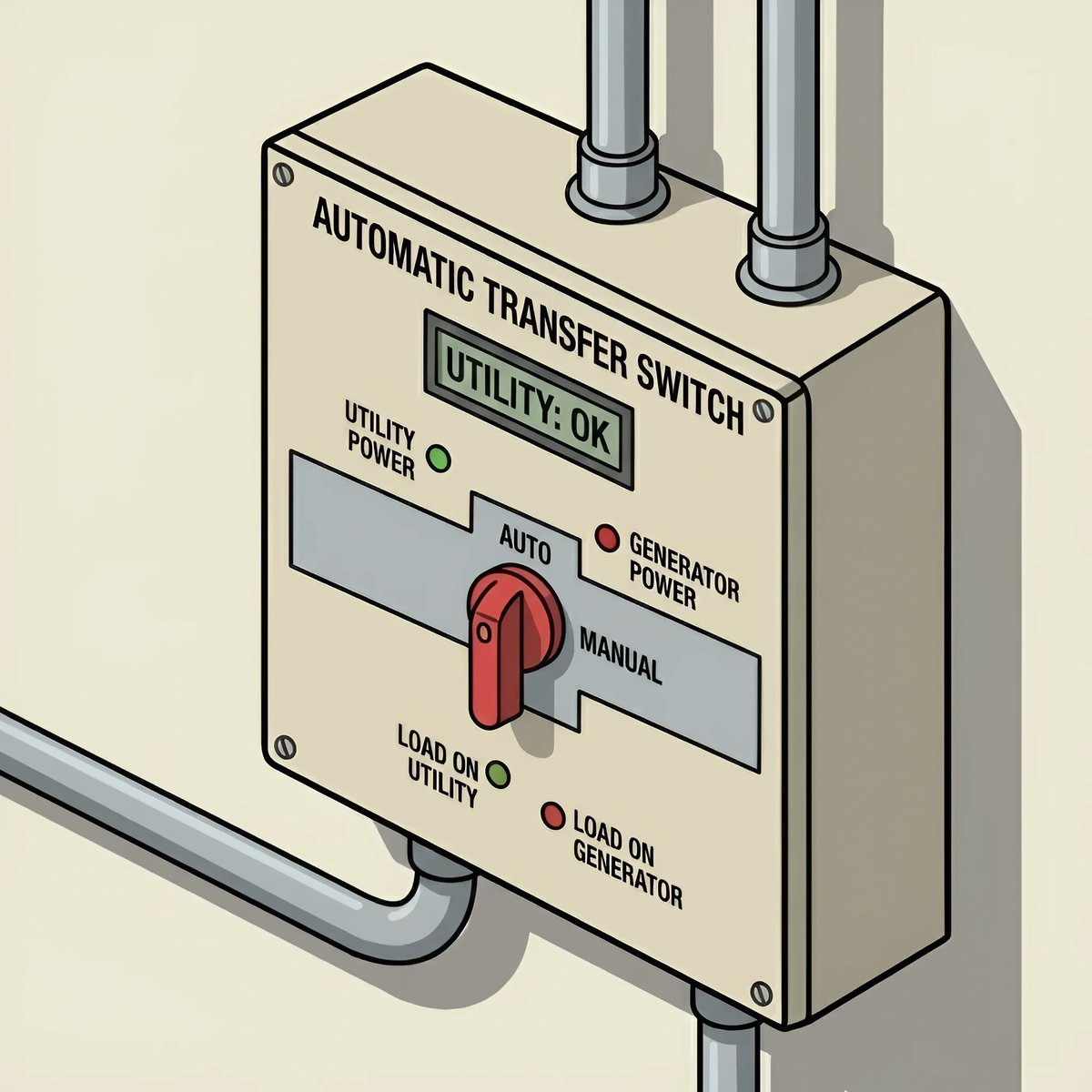
Automatic transfer switch illustration showing utility and generator power control panel with toggle switch and indicator lights

Because these systems become part of your home's electrical infrastructure, proper installation helps ensure the equipment operates safely when utility power is interrupted. Choosing a licensed electrician also helps ensure the installation complies with local electrical requirements and manufacturer recommendations.
What's the Difference Between a Transfer Switch and an Interlock Kit?

Although they accomplish a similar goal, they aren't the same thing. Here's how each one works and which situation it's best suited for.

Transfer Switches

A transfer switch is a dedicated device that safely transfers power between your utility company and your generator. Depending on the system, it may operate automatically or manually. Transfer switches are commonly installed with standby generators, whole home generators, portable generators, and essential circuit backup systems. Many homeowners choose them because they offer a simple and organized way to restore power during an outage.

Generator Interlock Kits

A generator interlock kit works differently. Instead of using a separate transfer switch, it installs directly on your electrical panel. The interlock physically prevents the main breaker and the generator breaker from being turned on at the same time, which eliminates dangerous backfeeding while allowing selected circuits to receive generator power. Interlock kits are commonly used with portable generators and can be an excellent solution for many homeowners when installed correctly.

There isn't a single answer that fits every home. A transfer switch may be the better option if you have a standby generator, want automatic backup power, or want a permanent backup power solution. An interlock kit may be a better choice if you own a portable generator, only need temporary backup power, you're looking for a more economical installation, or your electrical panel is compatible. Not every panel works with an interlock kit. Compatibility depends on the specific manufacturer and model. We can evaluate your system and recommend the best fit.

Why Proper Installation Matters

A transfer switch or interlock kit is something most homeowners hope they'll rarely need. But when a storm knocks out power, it's important that the system works exactly as intended. Professional installation helps provide safe generator connections, code compliant installations, reliable backup power, proper panel compatibility, correct breaker sizing, reduced risk of electrical damage, and peace of mind during severe weather.

Choosing a licensed electrician also helps ensure the installation complies with local electrical requirements and manufacturer recommendations. Many homeowners don't realize that interlock kits must be compatible with the specific manufacturer and model of their electrical panel. A licensed electrician can determine whether your panel supports one and install it correctly the first time.

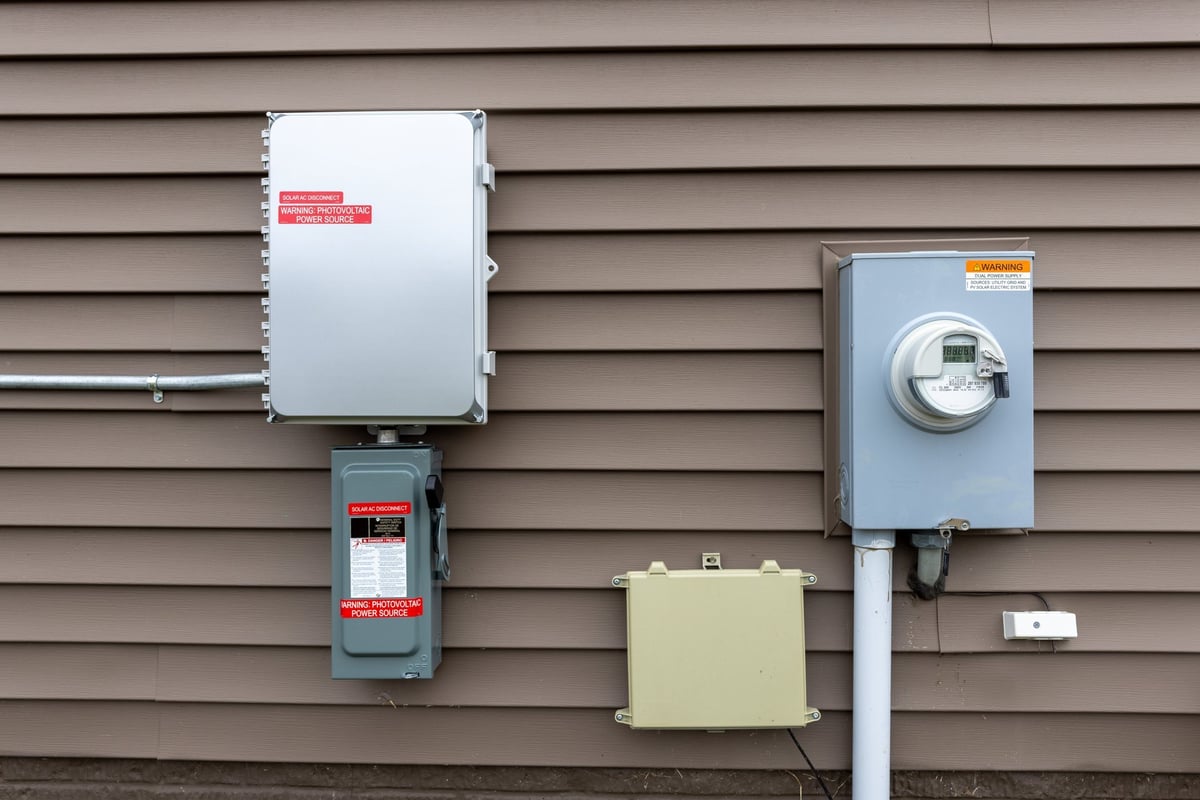
Solar Power Inverter and Breaker next to the Electric Meter mounted on the side of a home

When you work with a fast, quality, and trusted electrical team, you get honest recommendations about what you actually need, not the most expensive option. If you're ready to get started, book an appointment now.

Services That Often Go Hand in Hand

Many homeowners install transfer switches or interlock kits while completing other electrical improvements. Planning these upgrades together often simplifies installation and helps ensure every component works together safely.

These improvements work together to create a resilient and code compliant backup power system. If you're connecting a generator, pairing it with the right transfer switch or interlock kit and the appropriate electrical upgrades ensures your entire system operates safely when an outage hits. Homeowners who want ongoing maintenance and peace of mind can learn more about our yearly plans.

Choosing the Right Backup Power Solution

Every home is different. Some homeowners want automatic whole home backup power that requires little involvement during an outage. Others simply want a safe way to connect a portable generator for essential appliances. The right solution depends on your electrical panel, generator type, power needs, and long term plans for your home.

For homeowners in Cumming, GA and surrounding communities such as Suwanee, Sugar Hill, Dawsonville, Duluth, Johns Creek, Alpharetta, Buford, Roswell, and North Forsyth, having a properly installed transfer switch or interlock kit means your generator system is ready when severe weather hits. Whether you're connecting a new portable generator or upgrading an existing backup power setup, the right connection method makes all the difference.

Hot Spot Electrical provides fast, reliable, and quality transfer switch and interlock kit installation throughout the region, including transfer switch installation, generator interlock kit installation, standby generator installation, electrical troubleshooting, and whole home surge protection. Our goal isn't to recommend the most expensive option. It's to help you choose the solution that makes the most sense for your home while ensuring the installation is completed safely and correctly.

Hot Spot Electrical | 3935 River Run Ct., Cumming, GA 30041

(678) 771-6085

Common Generator Problems We Help Solve

Before getting to the FAQs, here are the most common issues homeowners call us about — situations where a properly installed transfer switch or interlock kit makes all the difference.

Generator won't power the house

Generator won't start during an outage

Unsure whether you need a transfer switch or interlock kit

Generator backfeeding concerns

Portable generator hookup questions

Preparing your home before storm season

Frequently Asked Questions