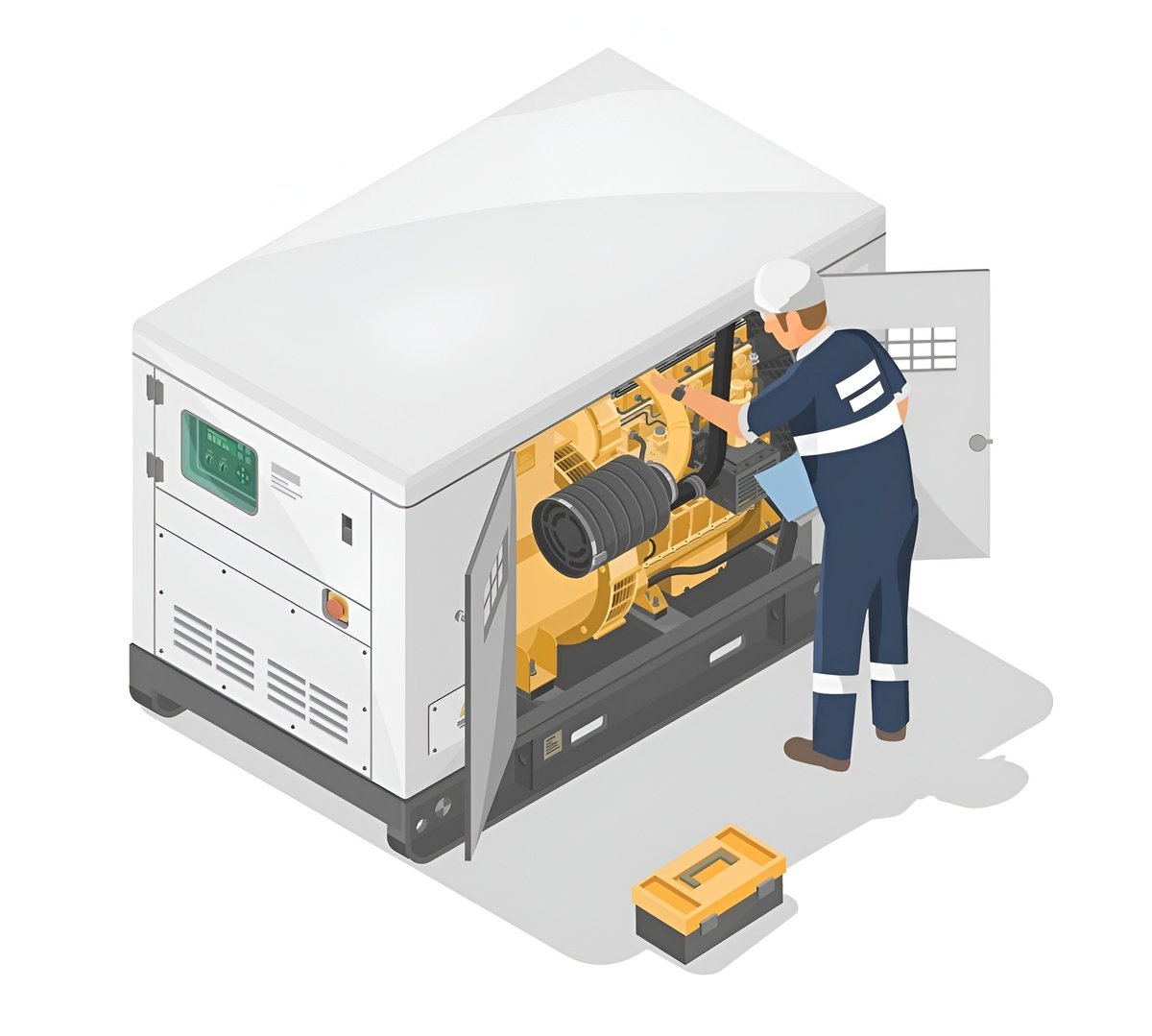
Generator Installation Services
Power outages never seem to happen when it's convenient. Sometimes it's a summer thunderstorm that knocks out power for a few hours. Other times, it's a fallen tree, an overloaded utility line, or severe weather that leaves an entire neighborhood without electricity.
If you've found yourself searching for generator installation, you're probably wondering whether a backup generator is worth the investment — and what it actually takes to install one safely. Understanding your options is the first step toward making a decision that makes sense for your home.
Not every home needs one, but many homeowners decide it's worthwhile after experiencing even a single extended outage. A standby generator can automatically restore power to important parts of your home when utility power is interrupted.
Many people choose backup power to keep essentials running, including refrigerators and freezers, heating and air conditioning systems, medical equipment, internet and home offices, sump pumps, security systems, garage doors, kitchen appliances, and interior lighting. For some families, it's simply about convenience. For others, it's about safety and maintaining critical systems during severe weather.

Unlike a portable generator that must be wheeled outside and connected manually, a standby generator is permanently installed outside your home. When utility power goes out, an automatic transfer switch detects the outage and safely transfers power from the utility to the generator. Once normal utility power returns, the system switches back automatically. Most homeowners never have to leave the house or manually connect anything.
This is one of the most common questions people ask. While it may seem like a straightforward installation, a standby generator involves much more than placing equipment next to the house. Here's what a proper installation actually includes.
Electrical panel connections and transfer switch installation
Proper grounding, bonding, and dedicated circuit sizing
Local electrical code compliance and utility coordination
Fuel connections and full-system equipment testing
Improper installation can prevent the generator from operating correctly — or create serious electrical hazards during an outage. Because backup generators interact directly with your home's electrical system, most homeowners choose to have the work completed by a licensed electrician who understands current electrical codes and manufacturer requirements. If you're ready to explore your options, schedule an evaluation today.
A generator is designed to provide reliable backup power when you need it most. That only happens if every component is installed correctly. Poor installation can lead to unsafe backfeeding into utility lines, improper grounding, equipment damage, electrical code violations, and generator failure during an outage, exactly when you're counting on it most.
There's also the question of sizing. One of the biggest misconceptions is that bigger is always better. In reality, the right generator depends on your home's electrical needs. Some homeowners only want to power essential circuits like the refrigerator, furnace, lighting, and internet. Others prefer a whole-home system capable of running nearly everything. An electrical evaluation helps determine your home's load, panel capacity, fuel type, generator size, and transfer switch requirements, so you don't overspend or undersize.
A properly installed system is designed to operate safely, protect utility workers, and provide dependable backup power when utility service is interrupted. Choosing a fast, quality, and trusted generator installation partner means getting the job done right the first time. If you're ready to get started, book an appointment now.
Generator installation is often completed alongside other electrical improvements that support a safer and more reliable electrical system. Many homeowners combine projects to save time and get more done in a single visit.
These improvements work together to create a more resilient and better-protected electrical system. If you've invested in a standby generator, pairing it with a panel upgrade or surge protection ensures your entire system is ready when an outage hits. Homeowners who want ongoing maintenance and peace of mind can learn more about our yearly plans. Regular generator service helps ensure your backup power is ready when you need it most.
There's no universal answer. For some homeowners, outages only happen once every few years. For others, frequent storms, aging utility infrastructure, or medical needs make backup power an important part of protecting their home.
For homeowners in Cumming, GA and surrounding communities such as Suwanee, Sugar Hill, Dawsonville, Duluth, Johns Creek, Alpharetta, Buford, Roswell, and North Forsyth, the area's storm seasons and occasional severe weather make standby generators a practical consideration. A generator that's properly sized and professionally installed gives you one less thing to worry about when the weather turns.
The best way to determine what's right for your property is through an electrical evaluation that considers your home's size, electrical system, and backup power goals. Working with a fast, quality, and trusted electrical team means getting honest recommendations about what you actually need, not an oversized system you'll never fully use. If you're researching generator installation in the area, it helps to choose a company that takes the time to evaluate your entire system rather than pushing a one-size-fits-all solution.
For homeowners who need assistance, Hot Spot Electrical provides residential generator installation, transfer switch installation, electrical panel upgrades, and backup power solutions throughout the region, including standby generator installation, generator maintenance and repairs, transfer switch and interlock kit installation, whole-home surge protection, and electrical troubleshooting. We focus on quality workmanship, honest recommendations, and installations designed for long-term reliability.
Hot Spot Electrical | 3935 River Run Ct., Cumming, GA 30041
The cost depends on the generator size, electrical panel configuration, transfer switch requirements, fuel source, and installation complexity. An on-site evaluation is the best way to get an accurate quote for your specific home. Call (678) 771-6085 and we'll walk you through what to expect.
A standby generator is permanently installed outside your home and automatically restores power during an outage. A portable generator must be set up manually each time it's used and typically powers fewer circuits through extension cords or a manual transfer switch.
Yes. A transfer switch allows your home to safely switch between utility power and generator power. It's an essential part of a properly installed standby generator system and is required by electrical code. Without one, backfeeding can occur, which is dangerous for utility workers and your home.
It depends on the size of the generator and your home's electrical load. Some systems are designed to power only essential circuits, while others can support nearly the entire home. An electrical evaluation determines what's possible, and what makes sense for your budget.
Most residential installations can be completed within one to three days, depending on the electrical work involved, permitting requirements, and coordination with fuel connections. We'll give you a clear timeline before any work begins.
Yes. Like any engine-powered equipment, generators should be serviced regularly to ensure they operate reliably when an outage occurs. This includes oil changes, filter replacements, battery checks, and system testing. Our yearly plans include scheduled maintenance so your generator is always ready.