EV Charger Installation Guide
Yes, most licensed electricians can install an EV charger, since it's essentially a dedicated 240V circuit. But not every electrician has EV-specific experience. EV chargers require knowledge of load calculations, continuous-load wiring, GFCI rules, and manufacturer requirements. Hiring an electrician who specializes in EV charging ensures the job is done safely, passes inspection, and protects your vehicle's warranty.
EV charger work should always be done by a licensed electrician who can pull permits and stand behind the installation.
The electrician must calculate your home's available capacity to size the circuit correctly and avoid overloading the panel.
Pulling a properly sized, dedicated 240V circuit for continuous EV charging loads, not a shared or undersized run.
Meeting current NEC rules for GFCI protection, disconnects, and EV-specific requirements.
Following the charger maker's wiring and breaker requirements to keep the warranty valid.
Familiarity with the common pitfalls of EV installs, from long runs to panel upgrades, prevents costly mistakes.
Before hiring, ask any electrician these questions to confirm they're the right fit for EV charging:
The electrician reviews your panel, available capacity, and the best location for the charger.
A correctly sized 240V circuit is run and a breaker is added for the EV charger alone.
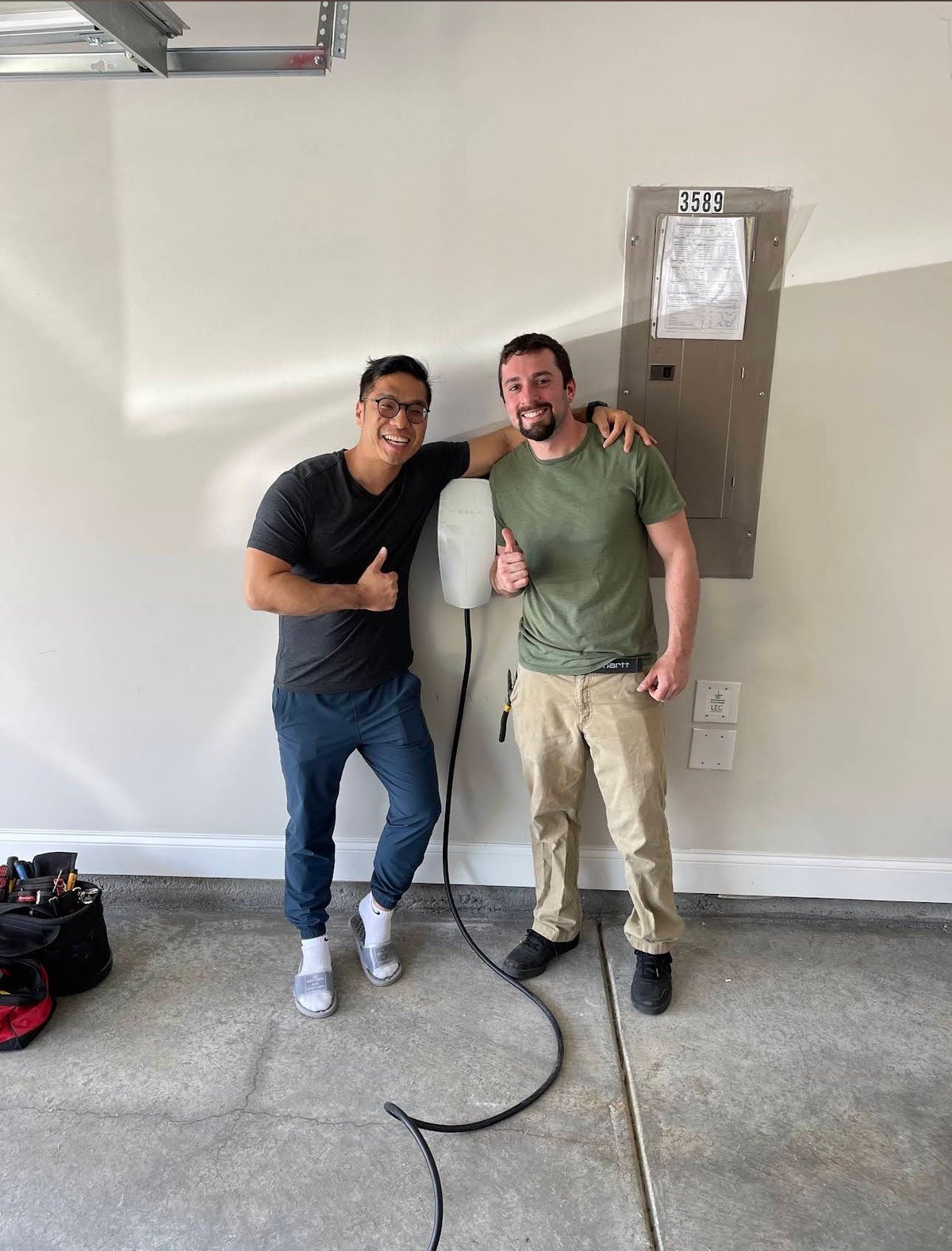
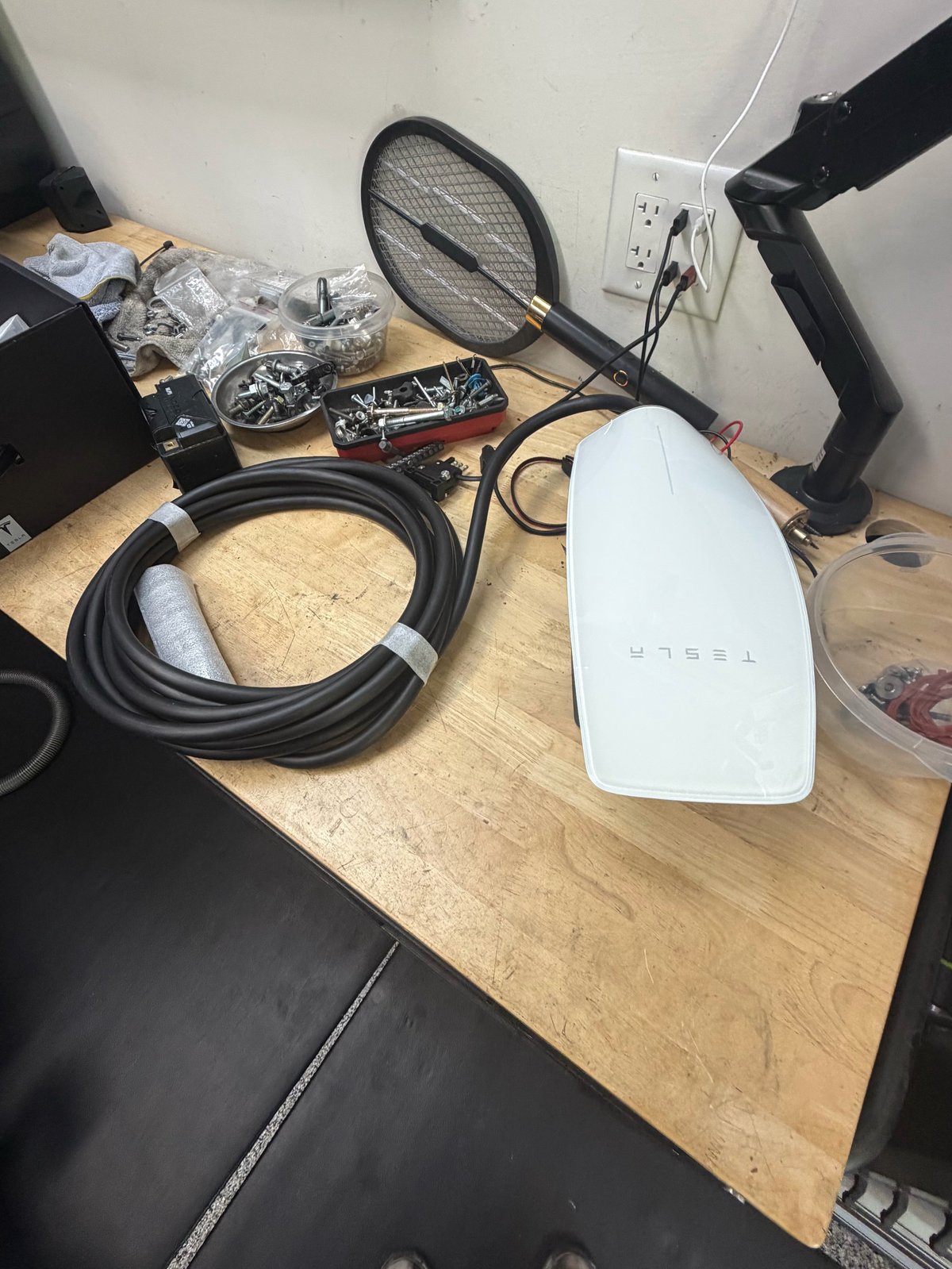
The charger is mounted and wired per the manufacturer's instructions, hardwired or on a heavy-duty outlet.
The circuit is tested for safety and the install is inspected to confirm it's code-compliant.
Hiring the lowest bidder for EV charger work can cost you far more later. Keep an eye out for these warning signs:
Yes, most licensed electricians can install an EV charger because it's a dedicated 240V circuit. However, choosing one with EV-specific experience ensures proper load calculations, wiring, and code compliance.
It requires a standard electrician's license, and there's no separate EV-specific license. What matters is that the electrician is licensed, insured, and experienced with EV charging installs.
EV chargers run continuous, high-current loads. Experience matters for correct load calculations, proper breaker sizing, GFCI rules, and following the charger manufacturer's requirements.
In most areas, yes. A permit and inspection confirm the installation is safe and code-compliant. A qualified electrician handles the permitting for you.
Look for a licensed, insured electrician with EV charging experience, positive reviews, and a willingness to pull permits and provide a written estimate and warranty.