Electrical Panel Tax Credit Guide

Can I Get a Federal Tax Credit for Upgrading My Electrical Panel?

In many cases, yes. Federal incentives like the Energy Efficient Home Improvement Credit (Section 25C) can cover up to 30% of the cost of certain electrical upgrades, including a qualifying electrical panel upgrade, when it is part of a home energy efficiency improvement. There is an annual credit cap that applies across eligible improvements, so the exact amount you can claim depends on your project and tax situation.

What Affects Eligibility

Primary Residence

The credit applies to your main home, not a second home or rental property, so the address matters.

Panel Capacity

Upgrades that enable energy efficiency, such as adding capacity for a heat pump or EV charger, are more likely to qualify.

Product Standards

The panel and any related equipment must meet current code and, where applicable, federal efficiency requirements.

Documentation

Keep itemized invoices, the manufacturer's certification, and proof of installation to support your claim at tax time.

Annual Cap

The credit is capped per year across all eligible improvements, so combining projects affects how much you can claim.

Tax Advice

Rules change and depend on your situation. A qualified tax professional is the best source for your specific claim.

How the Credit Typically Works

Here's a general overview of how a federal tax credit for an electrical panel upgrade usually applies:

  • Credit rate: up to 30% of the qualifying project cost
  • Annual cap: a set limit applies across eligible improvements each year
  • How it's claimed: filed on your federal return using the appropriate form
  • Not a rebate: the credit reduces tax owed, so it is applied when you file
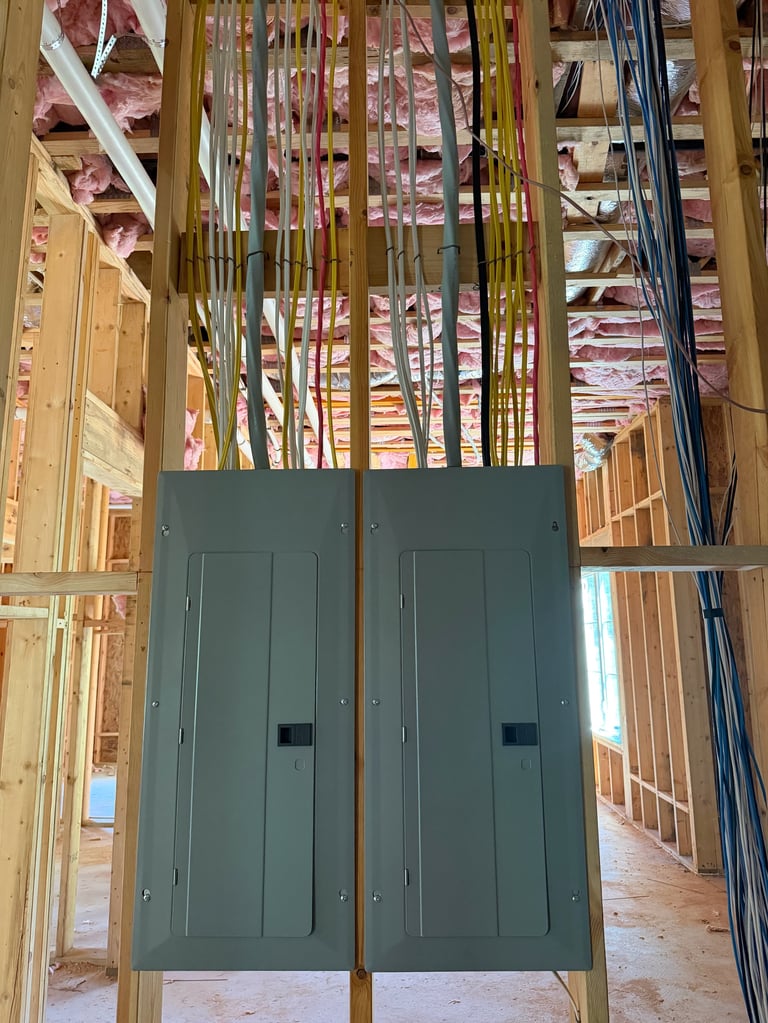
Two green doors installed in wooden framing of a house under construction with exposed ceiling and wiring

How to Claim Your Electrical Panel Tax Credit

1

Confirm Eligibility

Check that your project and panel meet current requirements before the work begins so there are no surprises later.

2

Save Your Paperwork

Keep itemized invoices, product certifications, and installation records. You will need them to support your claim.

3

Time It Right

The credit applies to the tax year the qualifying work is completed, so plan your project around your filing timeline.

4

Work With a Tax Pro

A qualified tax professional can confirm the correct amount and the right form for your return.

When Cheap Becomes Expensive

Chasing a tax credit with a cut-rate install can cost you the credit and put your home at risk. Keep an eye out for these warning signs:

  • Bids far below everyone else's
  • No permits, insurance, or license verification
  • No itemized invoice for your tax records
  • No written scope or warranty on the work
Tan Dodge ProMaster van with black roof rack and extended canopy parked among trees

Related Electrical Services

Areas We Serve

Frequently Asked Questions