EV Charging Guide

Can I Just Plug My EV Into a 240V Outlet?

Technically, you can plug some EVs into a 240V outlet using the right adapter and cord, but a standard 240V outlet is not designed for the continuous, high-current load that EV charging demands. Everyday outlets like a dryer or range receptacle can overheat and become a fire hazard under constant EV use. The safe, code-compliant option is a dedicated 240V circuit installed by a licensed electrician, often with a hardwired Level 2 charger or a heavy-duty EV outlet.

Why a Standard Outlet Isn't Enough

Continuous Load

EV charging runs for hours at full current, a load household outlets were never built to handle continuously.

Wrong Receptacle Type

Dryer and range outlets (NEMA 10-30, 14-30) aren't rated for EV charging and can overheat or melt.

Fire Hazard

Undersized wiring and loose connections at a standard outlet can overheat and start a fire.

Code Requirements

EV charging circuits must meet strict code rules for GFCI protection and dedicated service.

Vehicle Safety

A poor connection can damage your vehicle's onboard charger and cost thousands to repair.

Insurance Issues

An unpermitted or improper install can void insurance coverage if something goes wrong.

The Safe Ways to Charge at Home

Instead of an everyday outlet, these are the correct, code-compliant ways to charge an EV at home:

  • Hardwired Level 2 charger: the safest and fastest option, permanently wired to a dedicated 240V circuit
  • NEMA 14-50 outlet: a heavy-duty EV-rated receptacle on a dedicated circuit
  • Level 1 (120V): safe but slow, adding only a few miles of range per hour
  • Load-managed setup: shares existing capacity safely when your panel is full
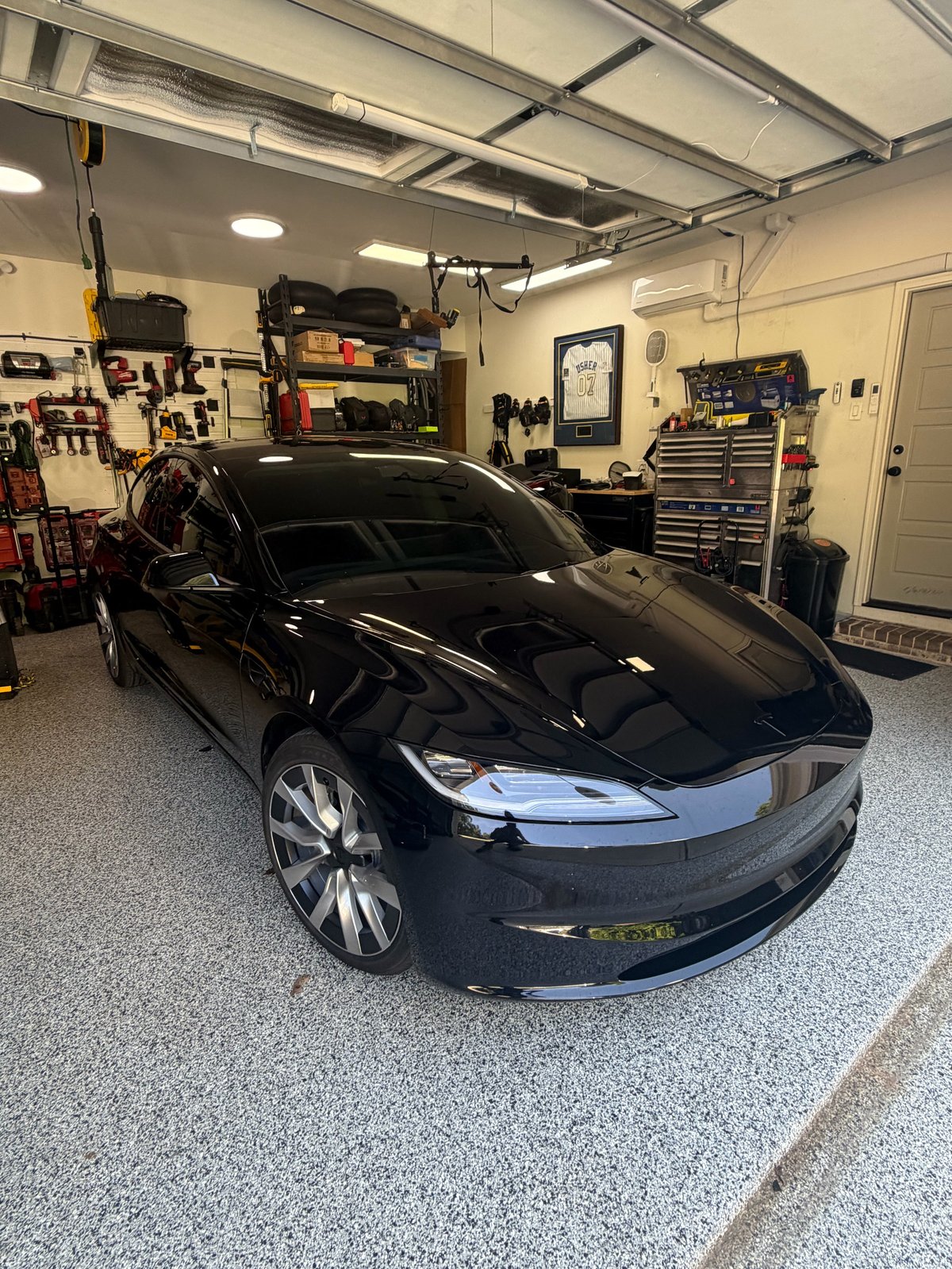
Black Tesla electric car in a well-equipped garage workshop with tools and storage

How to Charge Your EV the Right Way

1

Check Your Panel Capacity

An electrician confirms whether your panel can support a new 240V circuit or needs an upgrade first.

2

Run a Dedicated Circuit

A properly sized 240V circuit is installed just for EV charging, with nothing else sharing the load.

3

Use the Correct Hardware

A hardwired charger or EV-rated NEMA 14-50 outlet, not a repurposed dryer or range receptacle.

4

Get It Permitted and Inspected

A permit and inspection confirm the installation is safe, code-compliant, and insurable.

Why This Isn't a DIY Job

Improper EV charging setups put your home and vehicle at risk. Watch for these warning signs of an unsafe installation:

  • Charging from a dryer or range outlet with an adapter
  • Warm, discolored, or melting outlets and plugs
  • Extension cords used for EV charging
  • No permit, license, or inspection on the work
Streaming equipment setup on wooden desk including white microphone, pop filter, XLR cables, and various accessories

Related Electrical Services

Areas We Serve

Frequently Asked Questions