EV Charger Pricing Guide

How Much Does It Cost to Have an EV Charger Installed?

Most homeowners pay between $800 and $2,500 to have a Level 2 EV charger installed at home. The charger itself typically runs $400–$800, while professional installation adds $400–$1,700 depending on your electrical panel, wiring distance, and whether a new circuit is needed. A simple install near an existing panel costs far less than one that requires a panel upgrade or a long wiring run.

What Drives the Cost

Charger Type

Level 2 chargers cost more than Level 1, but deliver much faster charging and require a dedicated 240V circuit.

Panel Capacity

If your electrical panel lacks available capacity, a service or panel upgrade may be required before installation.

Wiring Distance

The farther the charger is from the panel, the more wire and labor required to run the dedicated circuit.

Permits and Inspections

Many areas require a permit for EV charger circuits, adding a fee but keeping the installation safe and compliant.

Installation Location

An attached garage is straightforward, while detached garages or outdoor pedestals require trenching and exterior-rated hardware.

Extra Features

Smart chargers, load-management devices, or a hardwired setup add cost but improve convenience and safety.

Typical EV Charger Costs

Here's a breakdown of what you can expect to pay for common EV charger installation scenarios in North Atlanta:

  • Basic Level 2 install: $800–$1,200 (charger + short run near an existing panel)
  • Long wiring run: $1,200–$1,800 (detached garage or distant location)
  • With panel upgrade: $2,000–$4,000+ (if additional capacity is needed)
  • Hardwired smart charger: adds $200–$600 over a standard setup
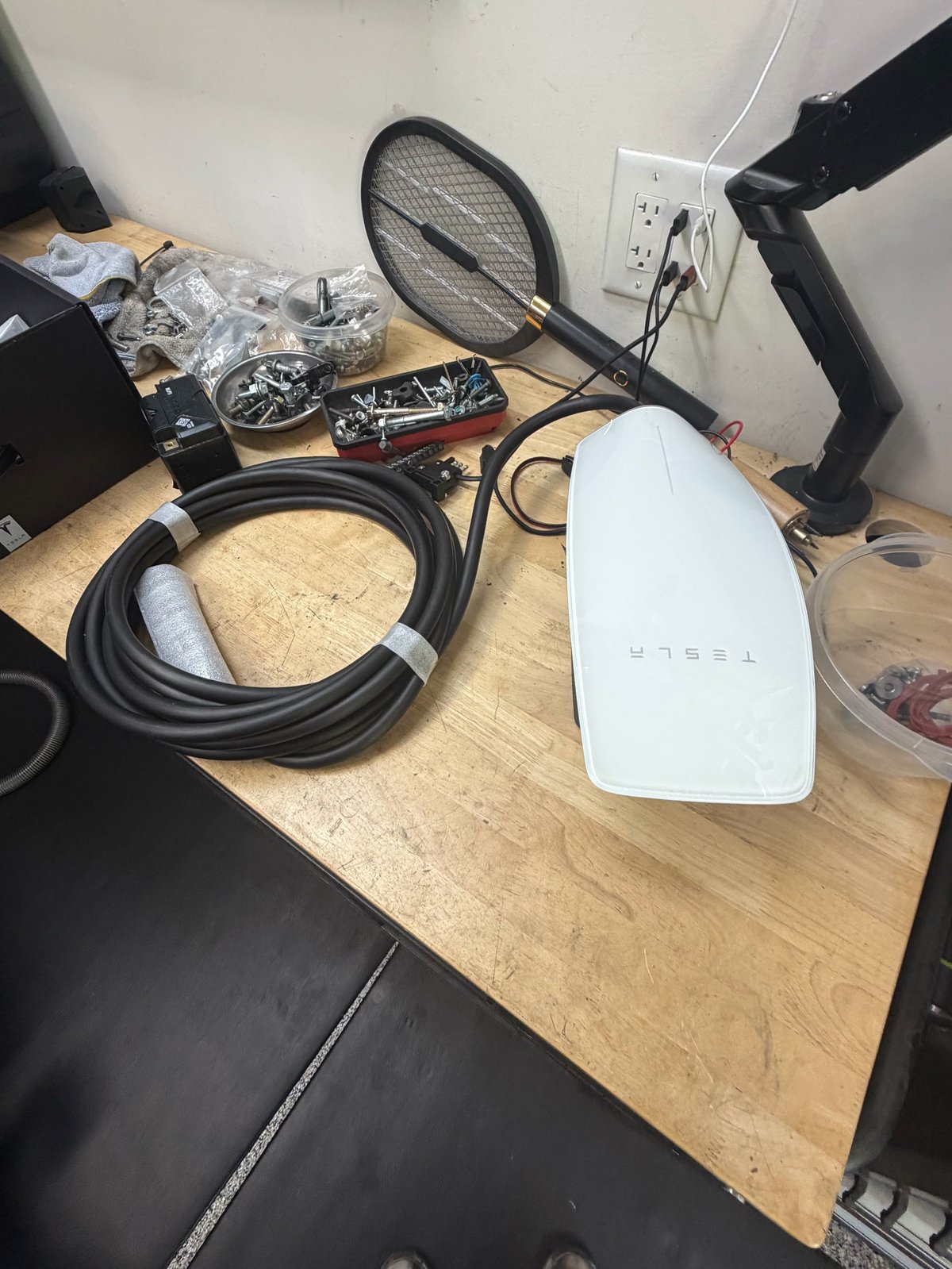
Home recording studio setup on wooden desk with microphone, XLR cables, boom arm, and white audio interface

How to Control Your EV Charger Costs

1

Get a Written Estimate

Ask for itemized pricing on the charger, labor, wiring, and permits so you can compare quotes accurately.

2

Install Near the Panel

Mounting the charger as close to your electrical panel as possible shortens the wiring run and lowers labor.

3

Consider Load Management

A load-management device can sometimes avoid a costly panel upgrade by sharing capacity safely.

4

Bundle Future Work

If you're planning a panel upgrade or other electrical work, combining it with the charger install saves on mobilization and permits.

When Cheap Becomes Expensive

Cutting corners on an EV charger installation can damage your vehicle and your home's electrical system. Keep an eye out for these warning signs:

  • Bids far below everyone else's
  • No permits, insurance, or license verification
  • No dedicated circuit or undersized wiring
  • No written scope or warranty on the work
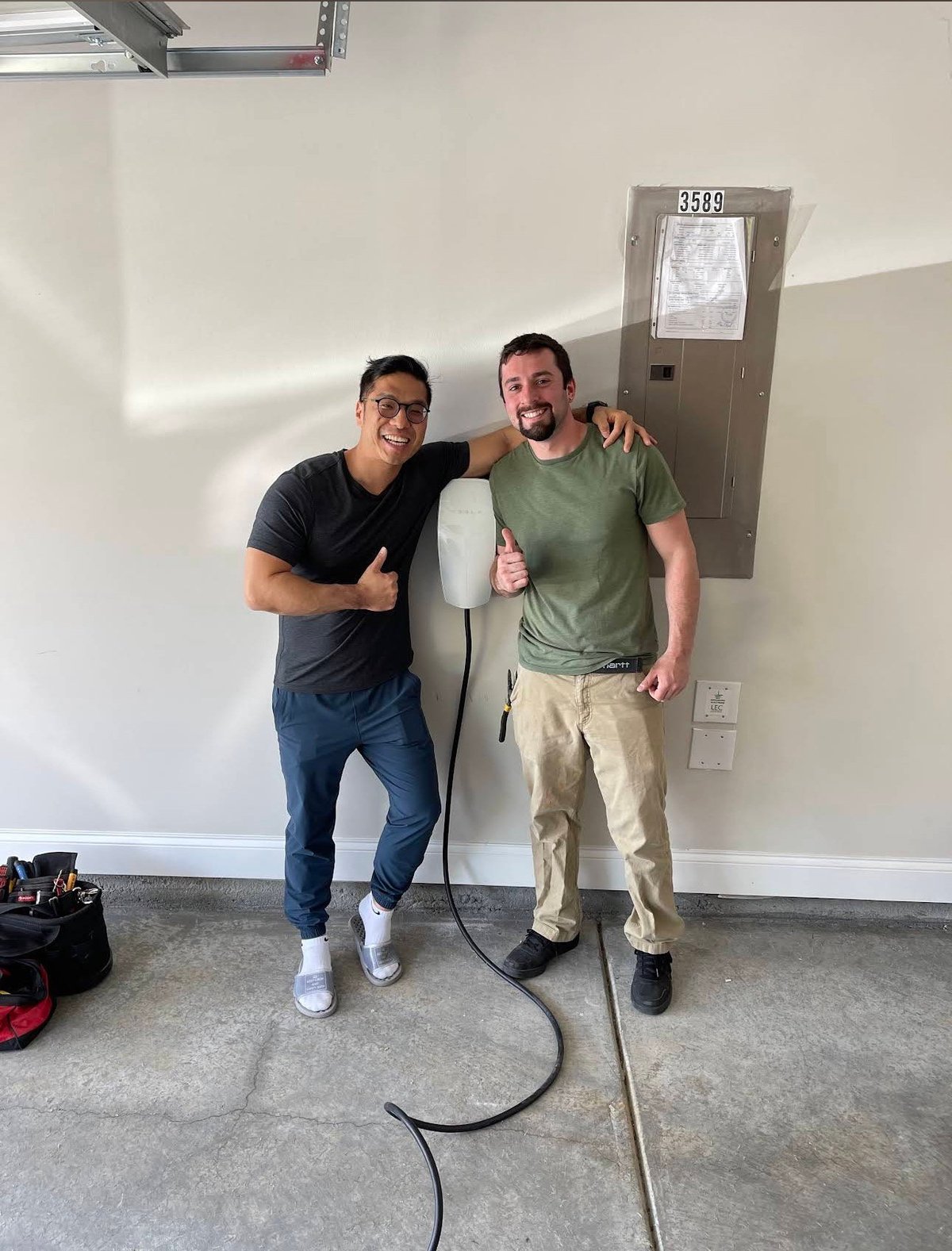
Two men posing together in an indoor room, one holding a coiled black cable, both smiling at the camera

Related Electrical Services

Areas We Serve

Frequently Asked Questions