Electrical Panel Upgrade Guide

What Is the Average Cost of an Electrical Panel Upgrade?

Most homeowners pay between $1,500 and $4,000 for an electrical panel upgrade, with the national average landing near $2,200. A simple panel swap runs $1,500–$2,500, while moving the panel or increasing the service to 200 amps can push the price to $3,000–$5,000 or more. Capacity, wiring, permits, and the condition of your existing service all shape the final number.

What Drives the Cost

Amperage Increase

Jumping from 100 amps to 200 amps costs more than swapping the same size panel, but it adds the capacity modern homes need.

Panel and Breaker Quality

Premium panels and breakers cost more up front but deliver better safety, reliability, and easier future expansions.

Labor and Placement

Moving the panel to a new location, or working in a tight or finished space, adds labor and materials to the job.

Permits and Inspection

An upgrade requires a permit and inspection, adding a fee but keeping the work code-compliant and your insurance valid.

Service Entrance Work

Upgrading the meter base, main disconnect, or service conductors to match the new panel significantly raises the price.

Circuits and Add-Ons

Adding dedicated circuits, a subpanel, or whole-home surge protection while the panel is open can be cost-effective.

Typical Electrical Panel Upgrade Costs

Here's a breakdown of what you can expect to pay for common electrical panel upgrade scenarios in North Atlanta:

  • Same-size panel swap: $1,500–$2,500 (like-for-like replacement)
  • 100-amp to 200-amp upgrade: $2,500–$3,500 (adds modern capacity)
  • Panel relocation with upgrade: $3,000–$4,500 (new location plus larger service)
  • Service entrance upgrade: $4,000–$6,000+ (meter, disconnect, and conductors)
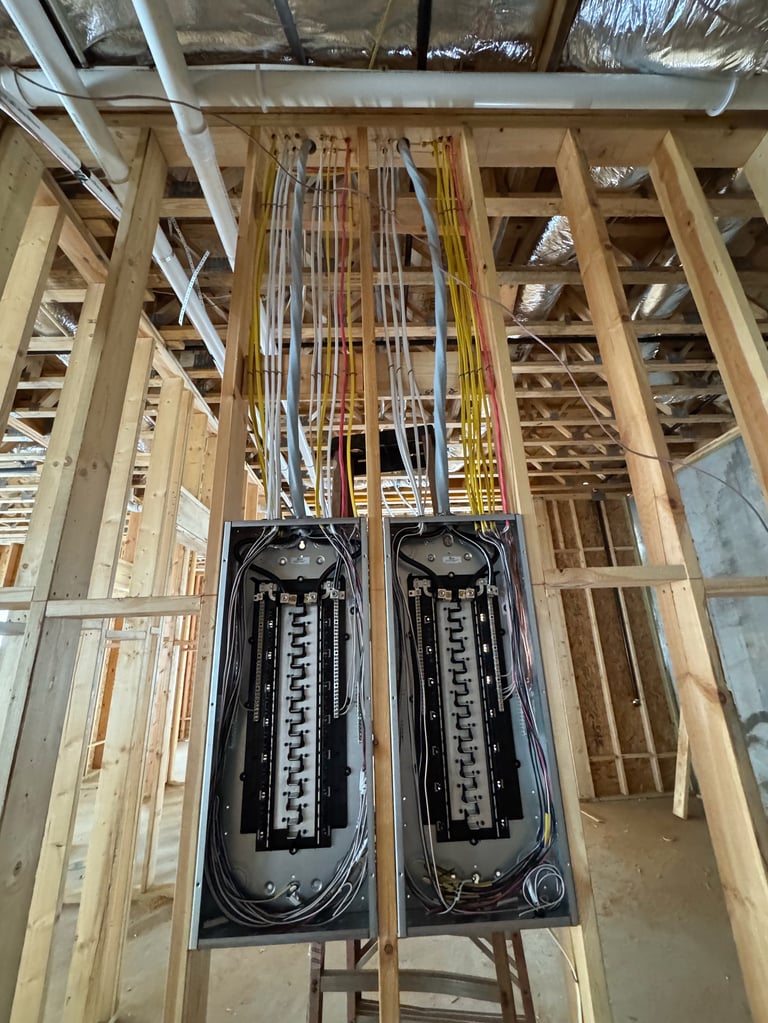
Electrical panel boxes mounted in wooden framed wall with bundled wiring and conduit running upward during construction

How to Control Your Electrical Panel Upgrade Costs

1

Get a Written Estimate

Ask for itemized pricing on the panel, breakers, labor, permits, and any corrections so you can compare quotes accurately.

2

Keep the Panel in Place

If your current location works and meets code, keeping the panel where it is avoids relocation costs and extra wiring.

3

Bundle Add-Ons

Adding surge protection, a subpanel, or dedicated circuits while the panel is open saves on labor and permits later.

4

Hire a Licensed Electrician

A licensed pro ensures the job passes inspection the first time and keeps your home's warranty and insurance valid.

When Cheap Becomes Expensive

Cutting corners on an electrical panel upgrade can put your home and family at risk. Keep an eye out for these warning signs:

  • Bids far below everyone else's
  • No permits, insurance, or license verification
  • Undersized service or reused breakers
  • No written scope or warranty on the work
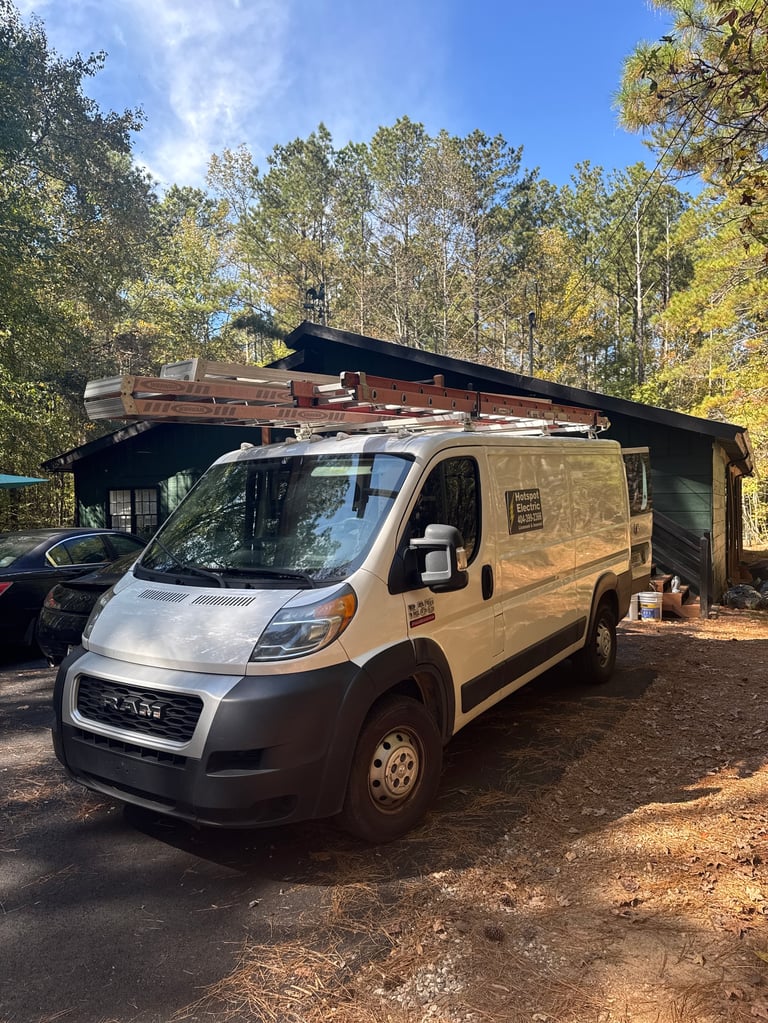
Tan and white RAM Promaster van with custom black roof rack parked in wooded area on dirt ground

Related Electrical Services

Areas We Serve

Frequently Asked Questions