Electrical Panel Lifespan Guide
Most home electrical panels last between 25 and 40 years, with 30 years being a common average. How long yours lasts depends on the brand, the load it carries, the climate, and how well it was installed. Some panels, especially certain older or recalled models, should be replaced well before they reach that range because they pose a safety risk.
Well-built panels from reputable brands last longer, while some recalled or obsolete models should be replaced early.
A panel running near its limit, or one that is undersized for the home, wears faster and runs hotter.
Humidity, heat, and dust accelerate corrosion and component wear, especially for panels in garages or outdoors.
Proper installation with correct torque and code-compliant wiring prevents the loose connections that shorten a panel's life.
Repeated power surges and lightning strikes stress breakers and internal components over time.
Periodic inspections and tightening of connections help a panel reach the upper end of its expected lifespan.
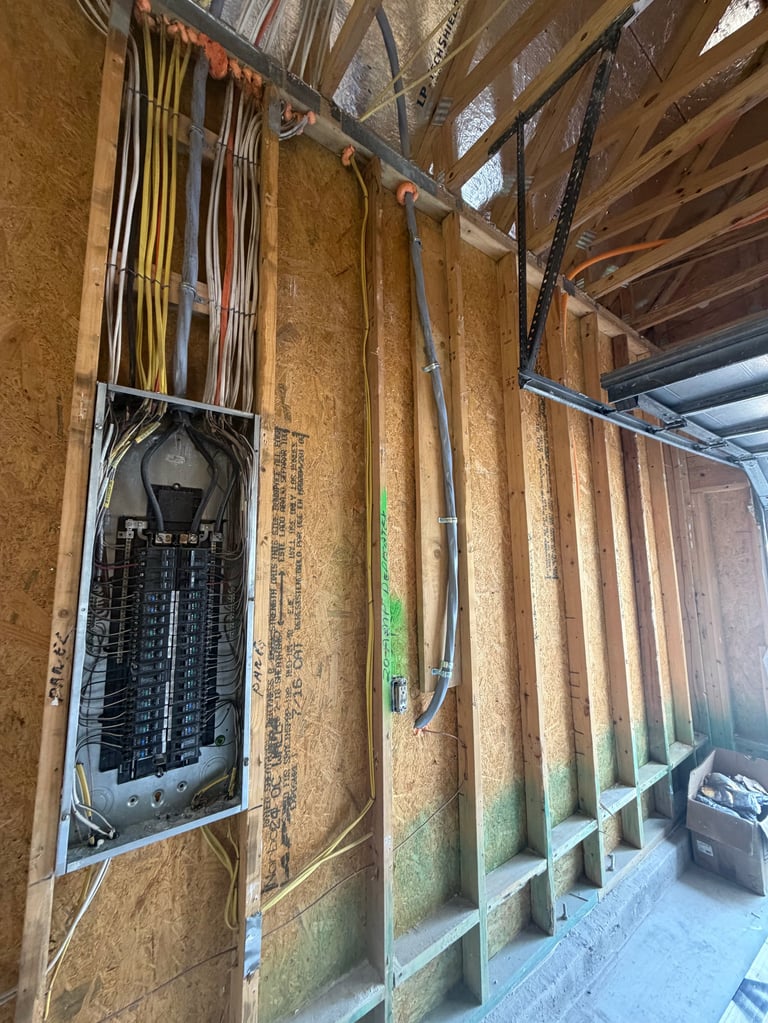
Here's a general look at how long common electrical panels tend to last in North Atlanta homes:
A periodic inspection catches loose connections, heat damage, and worn breakers before they become a problem.
Adding large loads to a panel already near capacity shortens its life. An upgrade may be the safer choice.
Whole-home surge protection shields the panel and its breakers from the stress of repeated power spikes.
Keeping the area around the panel dry and free of pests prevents the corrosion that shortens a panel's life.
Pushing a worn-out panel past its safe life or hiring a cut-rate installer can put your home at risk. Keep an eye out for these warning signs:
Most panels last 25 to 40 years, with about 30 years being a common average. Brand, load, environment, and installation quality all affect how long yours lasts.
Warning signs include frequent tripped breakers, flickering lights, burning smells, rust or corrosion, a warm panel cover, and breakers that won't reset. A licensed electrician can confirm the condition.
Not always. Age is one factor, but brand, condition, and capacity matter too. An inspection tells you whether your panel is safe or due for replacement, especially if it is a recalled model.
Some well-maintained panels can, but components like breakers still wear out eventually. Even if the panel itself survives, individual breakers and connections should be inspected and replaced as needed.
Schedule periodic inspections, avoid overloading the panel, add whole-home surge protection, and keep the area dry and free of pests. These steps help a panel reach the upper end of its lifespan.