Septic Pump Wiring Guide
A septic pump installation needs a dedicated 20-amp, 120-volt circuit with GFCI protection, an outdoor-rated disconnect in sight of the pump, and moisture-proof wiring run in approved conduit. A licensed electrician must size the circuit to the pump's nameplate and pull the right permits so the work is code-compliant and safe.
The pump needs its own 20-amp, 120-volt circuit—no shared loads to cause nuisance tripping.
Because pumps sit near water and soil, GFCI protection is required on the circuit.
An outdoor-rated disconnect must be within sight of the pump for safe servicing.
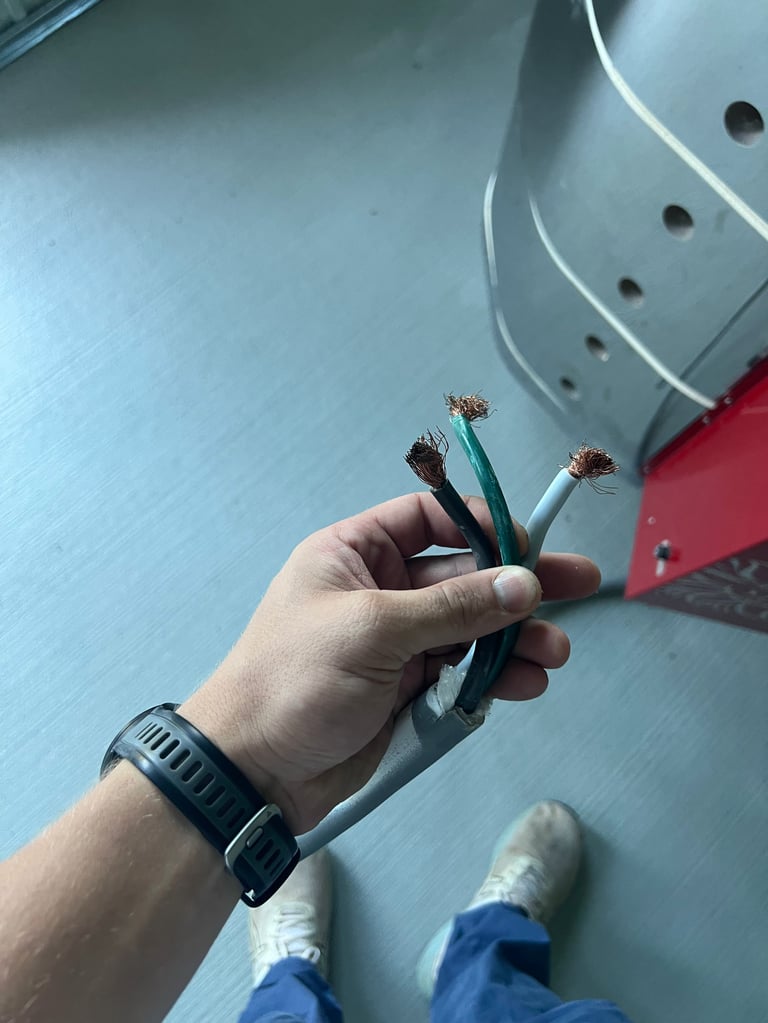
UF-rated cable or conductors run in approved conduit protect wiring from water and soil.
Wire size is matched to the pump's nameplate rating and run length to avoid voltage drop.
Most areas require a permit and electrical inspection for a new pump circuit.
A septic pump failure can mean sewage backup and costly damage. These requirements protect your home and keep your warranty and insurance valid:
Because the pump ties directly into your home's electrical system, this is a job for a licensed electrician—not a general handyman.
The pump's voltage, amperage, and horsepower ratings determine the circuit size and wire gauge you need.
Your panel needs an open slot and enough capacity. An electrician can confirm whether an upgrade is needed.
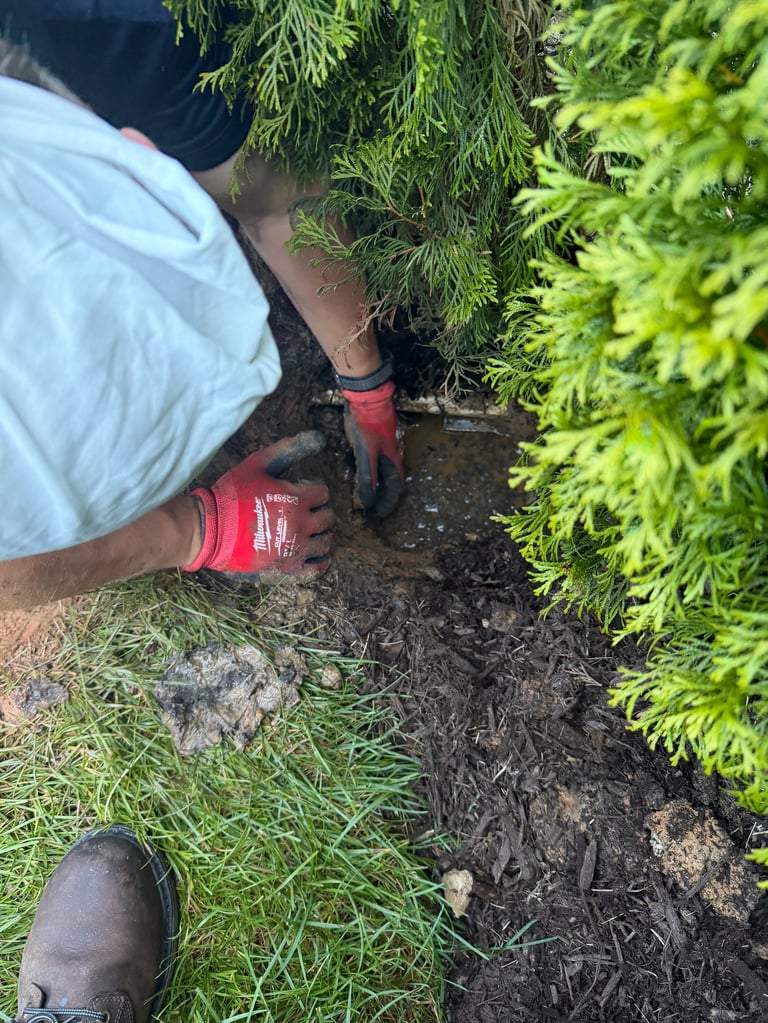
Map a safe path from the panel to the pump, keeping burial depth and moisture protection in mind.
Get the electrical permit and schedule the inspection before any trenching or wiring begins.
A cheap septic pump hookup isn't worth the risk. Call a licensed electrician instead if you run into:
Most septic pumps need a dedicated 20-amp, 120-volt circuit with GFCI protection, an outdoor-rated disconnect within sight of the pump, moisture-rated wiring in conduit, and proper permits and inspection.
Yes. A septic pump should be on a dedicated circuit so that other loads don't trip the breaker and interrupt your wastewater system. Sharing a circuit can also void the pump warranty.
Because the pump is located near water and soil, GFCI protection is generally required. It protects against shock and helps prevent electrical fires—your electrician will confirm what your local code requires.
Septic pump wiring involves outdoor trenching, conduit, GFCI protection, and permits, and ties into your home's electrical system. It should be done by a licensed electrician to be safe and code-compliant.
If there's no room or capacity for a new circuit, you may need a panel upgrade. A licensed electrician can evaluate your panel and recommend the safest, most cost-effective option.